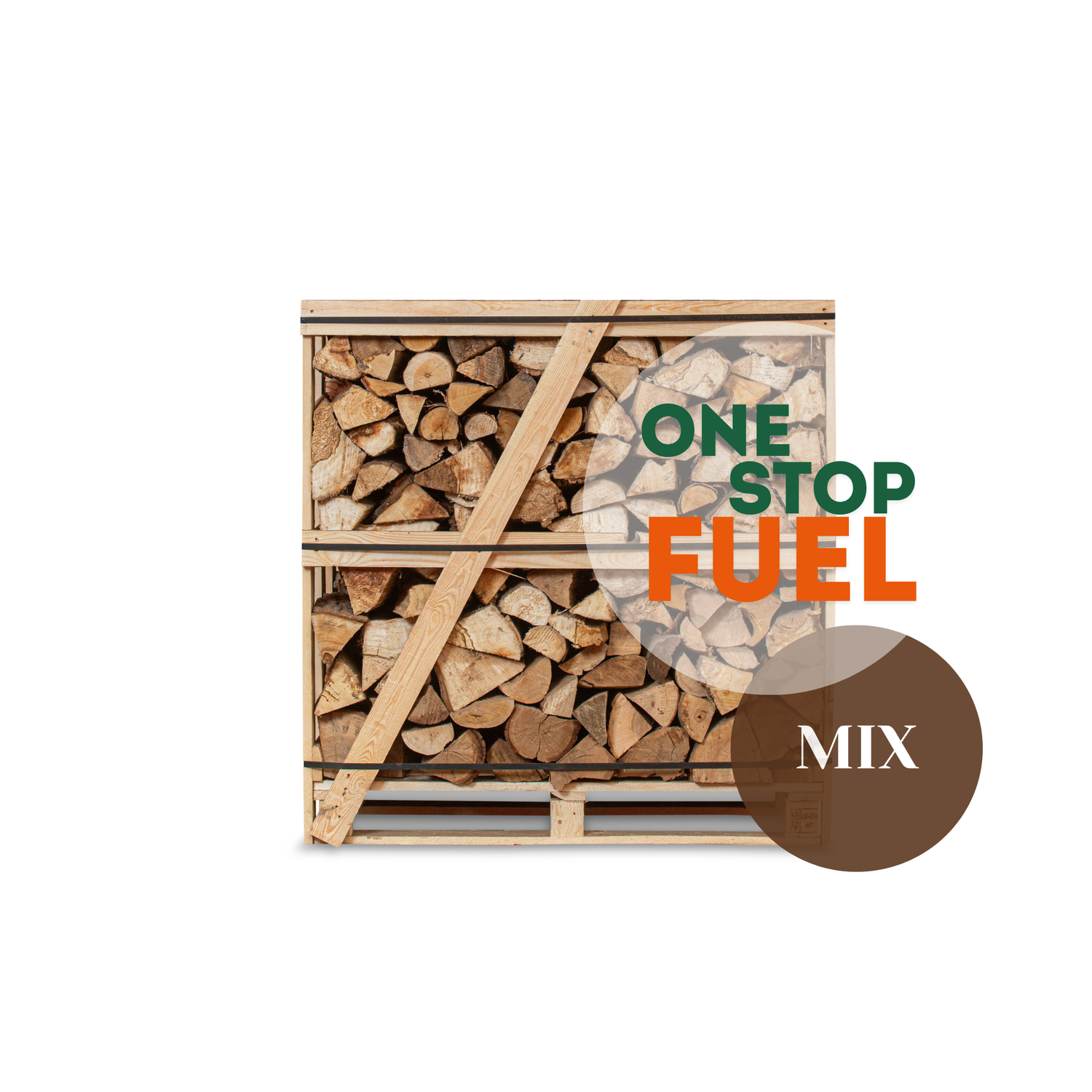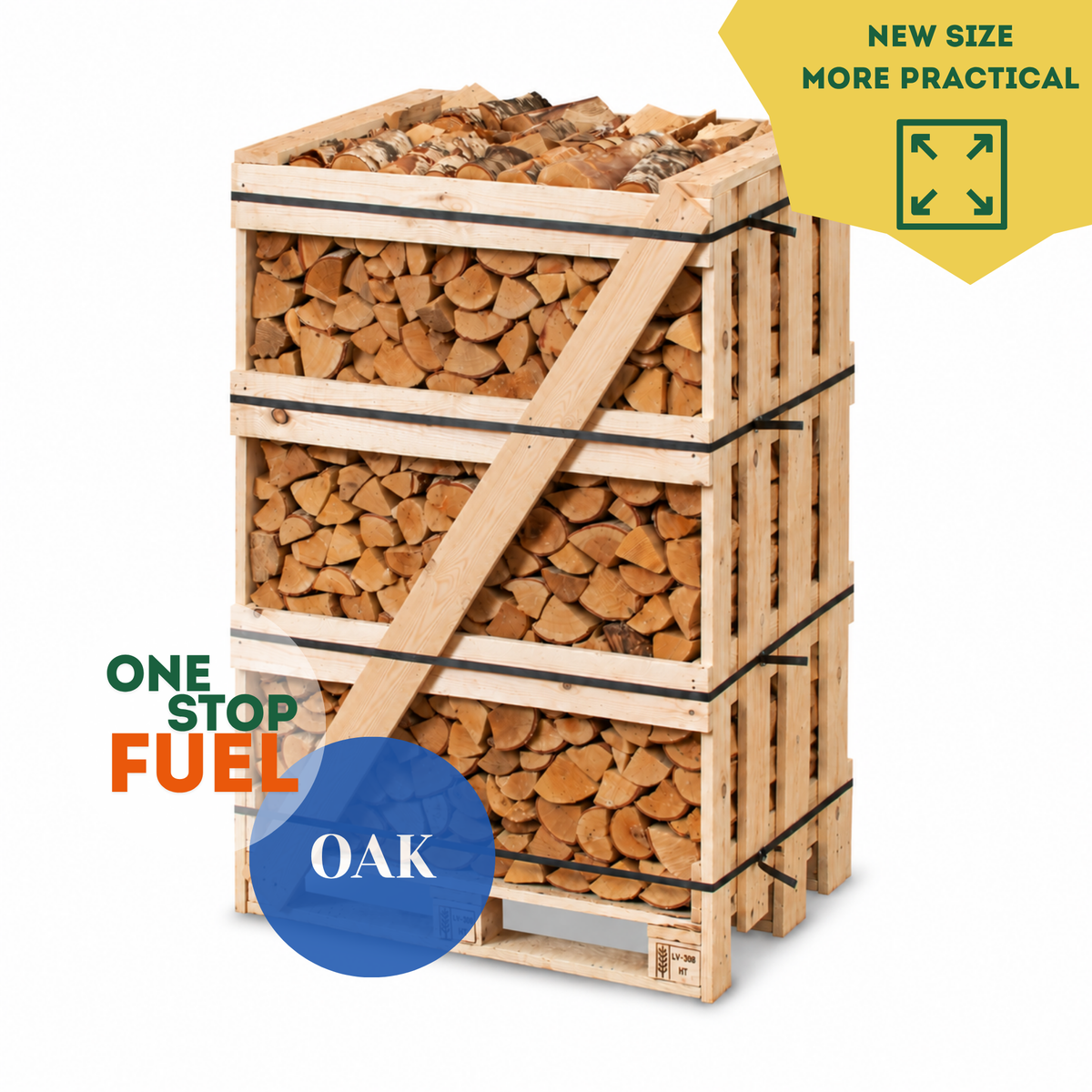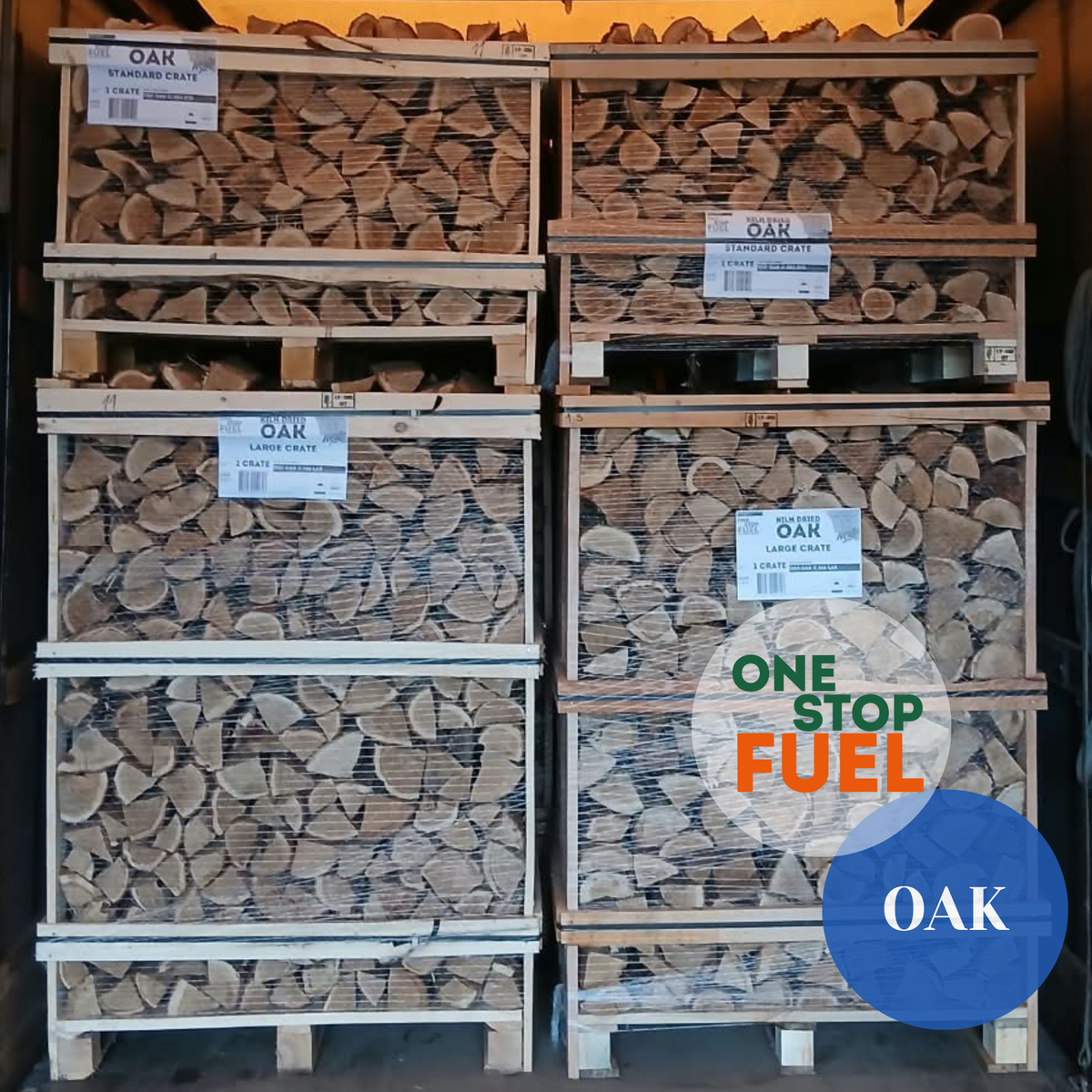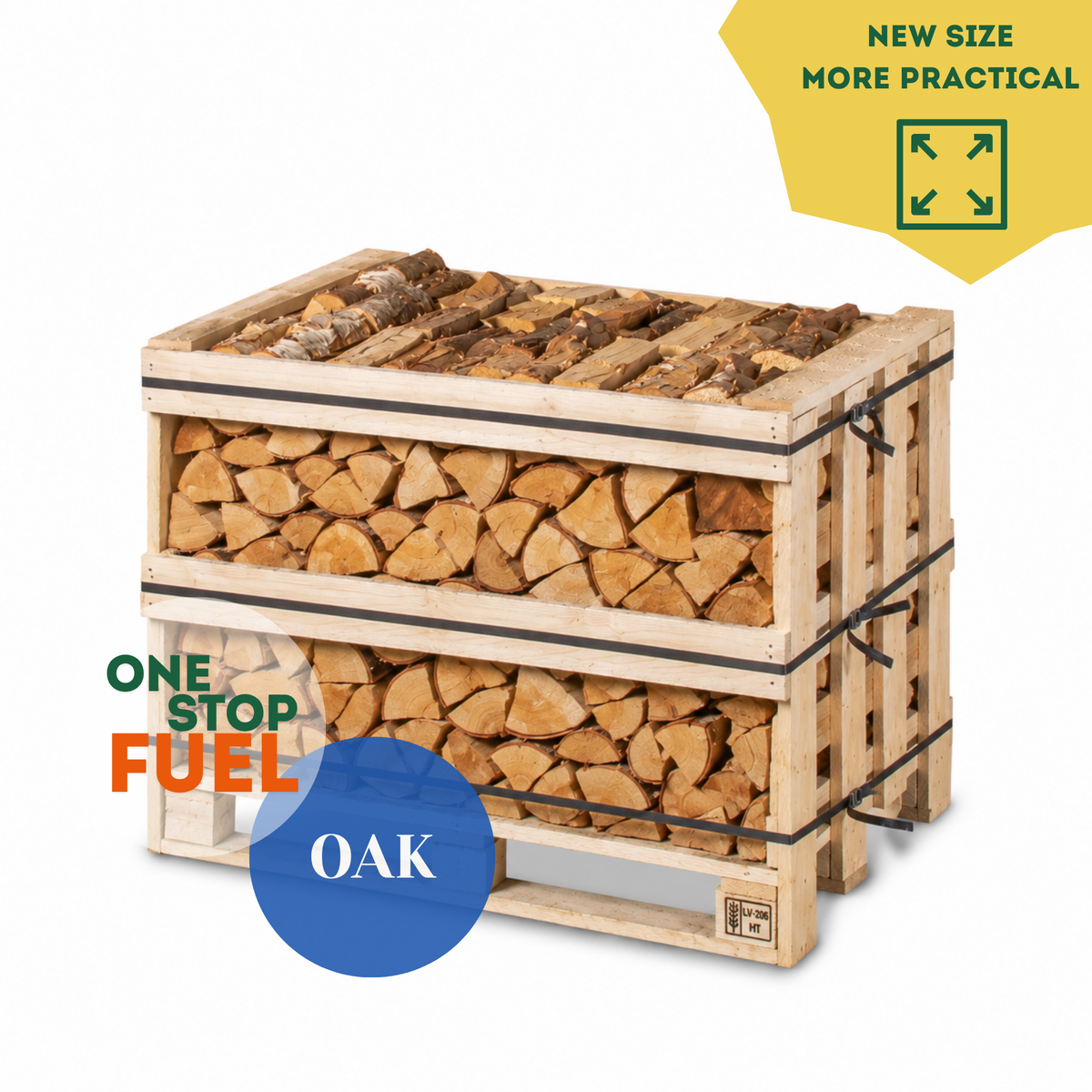
Something has shifted in how Irish households think about firewood. It's no longer just a winter fuel. It's becoming a year-round part of how people heat their homes, cook outdoors, run their saunas, and spend time in their gardens.
This is a look at where the firewood market in Ireland actually stands in 2026 - what's driving demand, what customers are looking for, and what we're seeing on the ground.
Demand Is Growing -And Not Just for Heating
The global firewood market was valued at over $44 billion in 2025 and is on track to grow at around 4-5% per year through to 2035. Ireland sits comfortably within that trend.
But the more interesting story isn't the headline number. It's why people are buying firewood.
Recreational demand for firewood is growing at over 5% per year, outpacing traditional supply growth and keeping upward pressure on pricing. That recreational demand includes outdoor fire pits, pizza ovens, BBQ cooking, and sauna heating - categories that barely existed in the Irish firewood market five years ago.
The increasing interest in outdoor cooking and fire pit culture has meaningfully boosted firewood demand in recent years. In Ireland specifically, this has combined with a genuine shift in how people use their outdoor spaces - something that accelerated after the pandemic and hasn't reversed.
Over 400,000 Irish homes rely on solid fuel as part of their heating mix. Kiln-dried logs and sustainable wood fuels are increasingly becoming the standard in that market, replacing older, less efficient options.
The Sauna Boom Is Real
If you want one trend that captures what's happening in the wider firewood market, it's saunas.
There are now at least 242 independent saunas active across Ireland, with roughly 90% of them having opened since 2020, and more than half launching in 2025 alone. That's a remarkable number for a country this size. From rooftop setups overlooking the Irish Sea in Wicklow to wood-fired barrel saunas along the Wild Atlantic Way in Kerry and Donegal - saunas have moved from novelty to a normal part of Irish life remarkably quickly.
Saunas have "exploded in popularity" in recent years according to operators around the country. And the momentum isn't slowing. Home sauna installations are accelerating too, with a reported 60% surge in home sauna sales between 2024 and 2025, reflecting a shift from saunas as a public wellness experience to something people want at the end of their own garden.
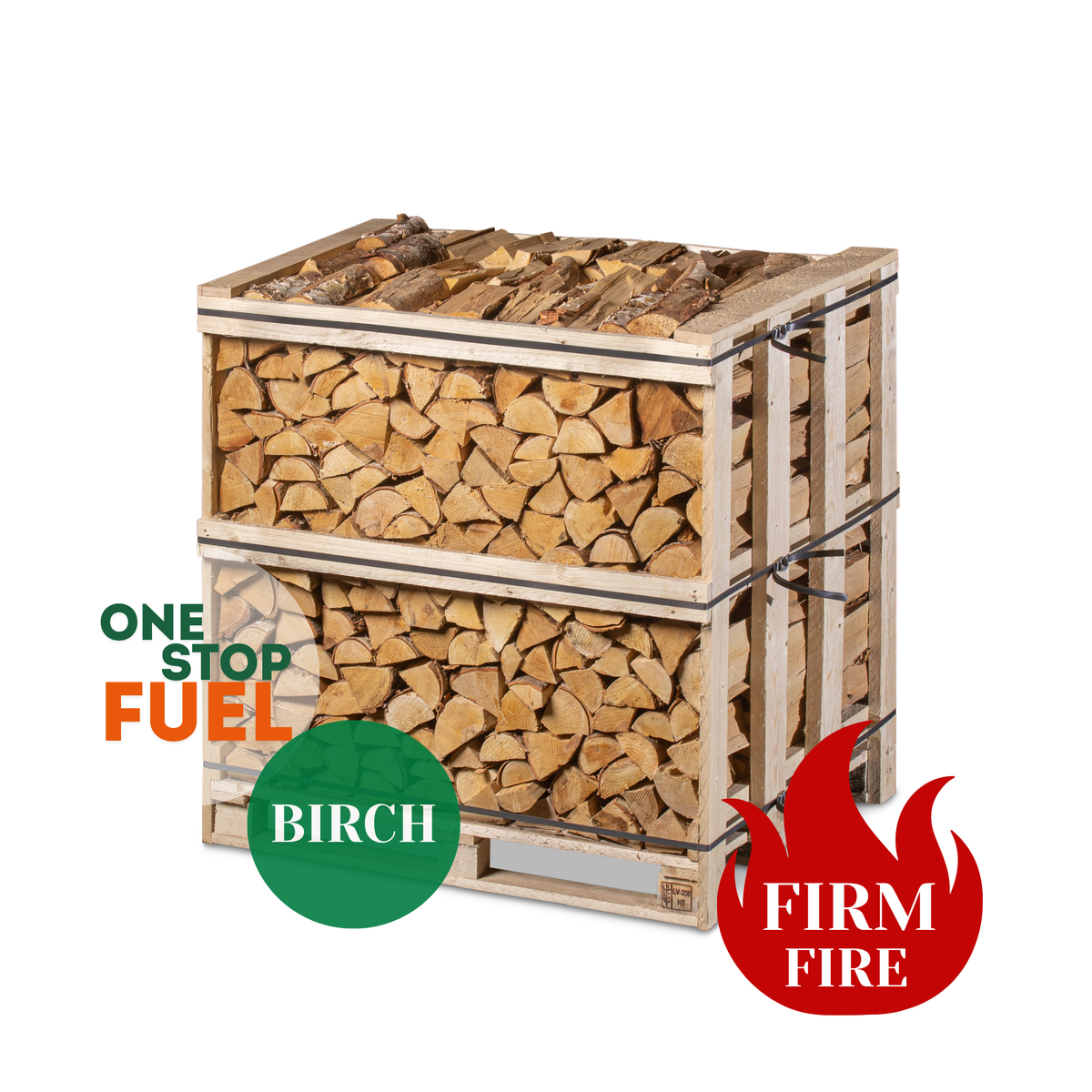
This matters for firewood because most of these saunas are wood-fired. The birch barrel sauna model - traditional, back-to-basics, high-heat - is the most popular format. Wood-fired saunas need a consistent, dry, fast-lighting wood. Kiln-dried birch is the natural fit. It lights quickly, reaches temperature efficiently, and produces a clean, bright heat that suits the sauna experience well.
All of this is translating into real, year-round demand for sauna wood - not a seasonal spike, not a niche. A genuine and growing part of how Irish customers are buying firewood.
Pizza Ovens and Outdoor Cooking Have Changed the Market
The second major driver is outdoor cooking. Ireland developed a heightened appreciation for cooking outdoors during the pandemic, and since then Irish consumers have been consistently looking to expand their setups -adding new appliances and spending more time enjoying their outdoor spaces.
Pizza ovens in particular have moved from novelty to mainstream. What was once a product for enthusiasts is now a standard garden addition for a growing number of households. Brands like Ooni have been among the top 10 sellers in Ireland for several years running, and the category as a whole keeps expanding.
For firewood suppliers, this creates a specific kind of demand: smaller quantities, more frequent purchases, and a strong preference for wood that lights fast and reaches high temperature cleanly. Kiln-dried birch and hardwood perform well here. Wet or poorly seasoned wood simply doesn't work in a pizza oven - the temperature never gets where it needs to be and the smoke becomes a problem.
This is partly why the distinction between "firewood" and "cooking wood" has blurred. A lot of customers buying wood in May and June aren't thinking about heating their homes. They're thinking about their Saturday evening in the garden.
Kiln-Dried Is Now the Standard, Not a Premium
A few years ago, kiln-dried firewood was positioned as a premium option - something you paid extra for. That framing is shifting.
Kiln-dried, certified products are now increasingly what urban consumers expect as a baseline. Convenience, clean burning, and consistent performance have moved from nice-to-have to expected. For Ireland's damp climate, kiln-dried firewood provides reliable performance throughout the year - something that poorly seasoned wood simply can't match in our conditions.
The moisture content benchmark of below 20% is now widely understood by buyers. Customers are asking the right questions when they shop. They know what they're looking for. That's a meaningful shift from even three or four years ago, when many buyers had no real way to compare quality between suppliers.
SEAI (the Sustainable Energy Authority of Ireland) recognises wood energy as a renewable heating option, and the push toward cleaner, more efficient burning aligns with the kiln-dried standard. Better quality firewood produces less smoke, less residue, and more usable heat per log - something that matters both to the customer and to the environment.
Fossil Fuel Costs Are Pushing People Toward Wood
Heating oil prices in Ireland have remained volatile. Geopolitical events — from energy market disruptions to supply tightening - continue to create unpredictable spikes that catch households off guard.
Kiln-dried firewood production is partly insulated from that kind of direct price volatility. Modern firewood kilns are typically heated using biomass generated from the forestry process itself - bark, offcuts and other low-grade residues - rather than fossil fuels. That structural difference means woodfuel pricing doesn't automatically follow every movement in the oil market.
This stability - or at least relative predictability - is becoming a genuine reason people consider firewood as part of their heating mix, rather than a backup option. It's not that firewood is cheap. It isn't. But its pricing tends to be more consistent, and customers who've experienced oil price spikes are paying more attention to that than they used to.
Wood energy also fits within Ireland's wider push toward renewable and sustainable heating. The combination of practical value and environmental direction is making firewood a more considered choice for more households.
What We're Seeing in 2026
From our own experience at The OneStopFuel, a few things are clear:
Orders are coming in earlier. Customers who used to wait until October are now buying in spring and early summer. Some of that is sauna and outdoor cooking demand. Some of it is customers who've learned the hard way that autumn supply gets tight and prices don't go down when demand peaks.
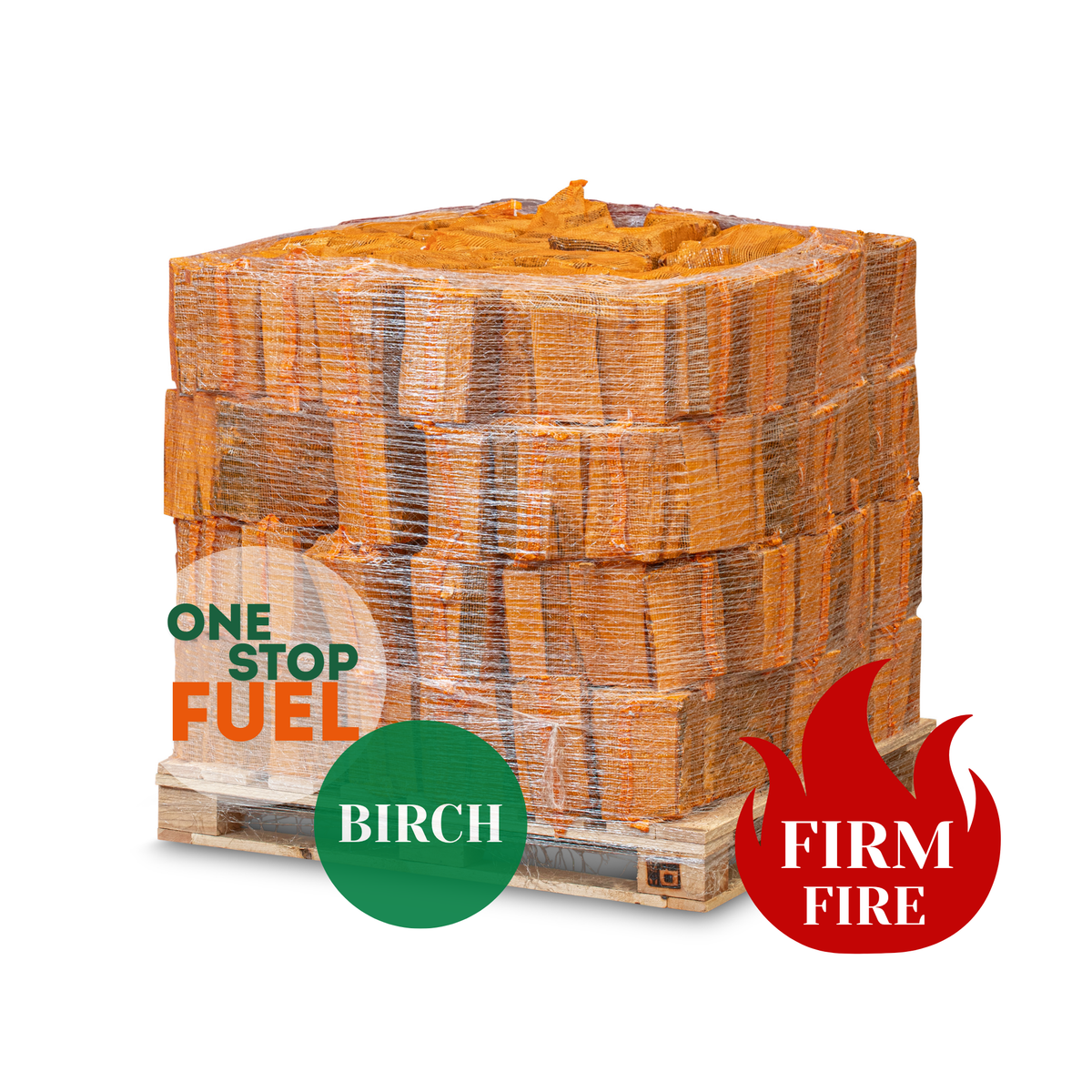
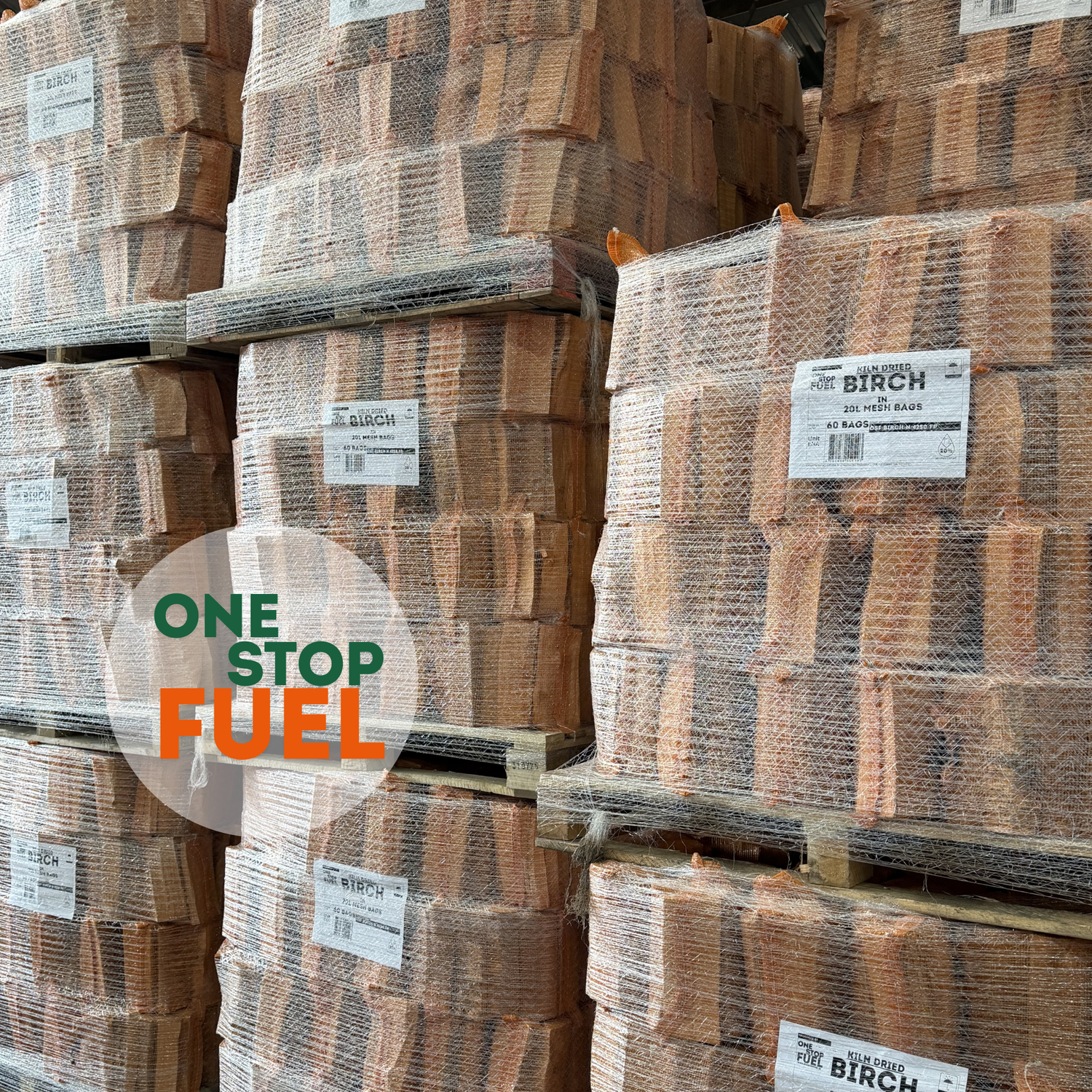
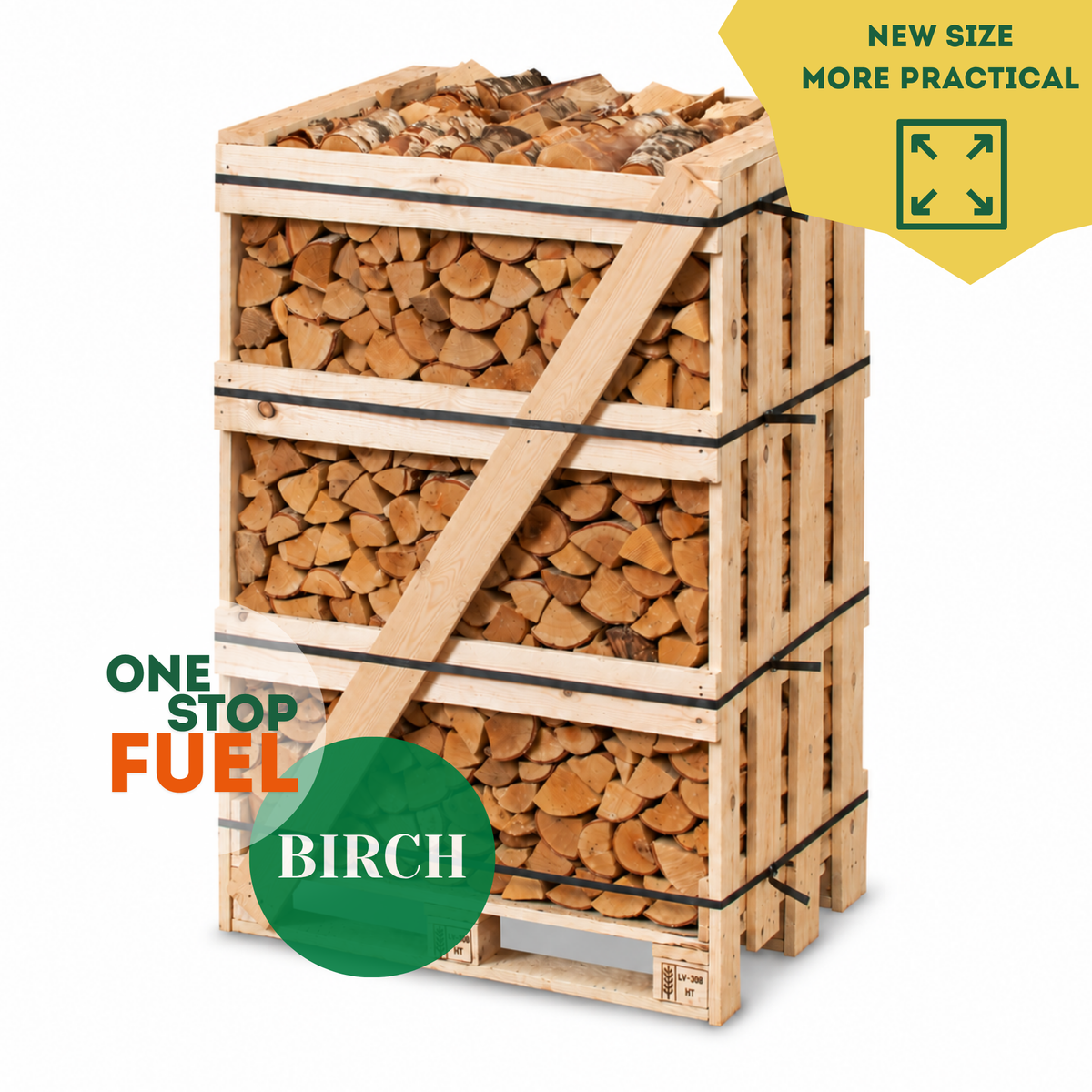
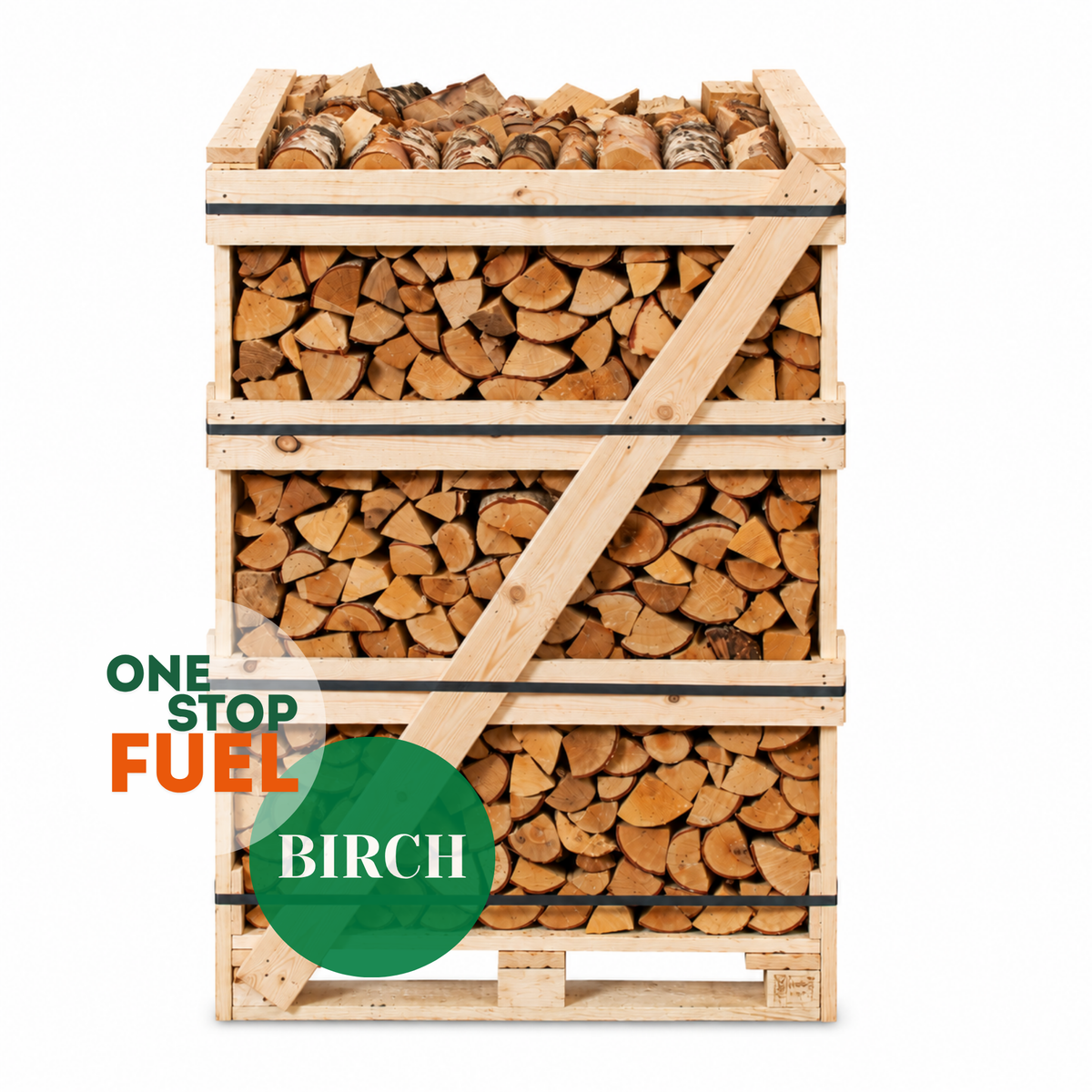
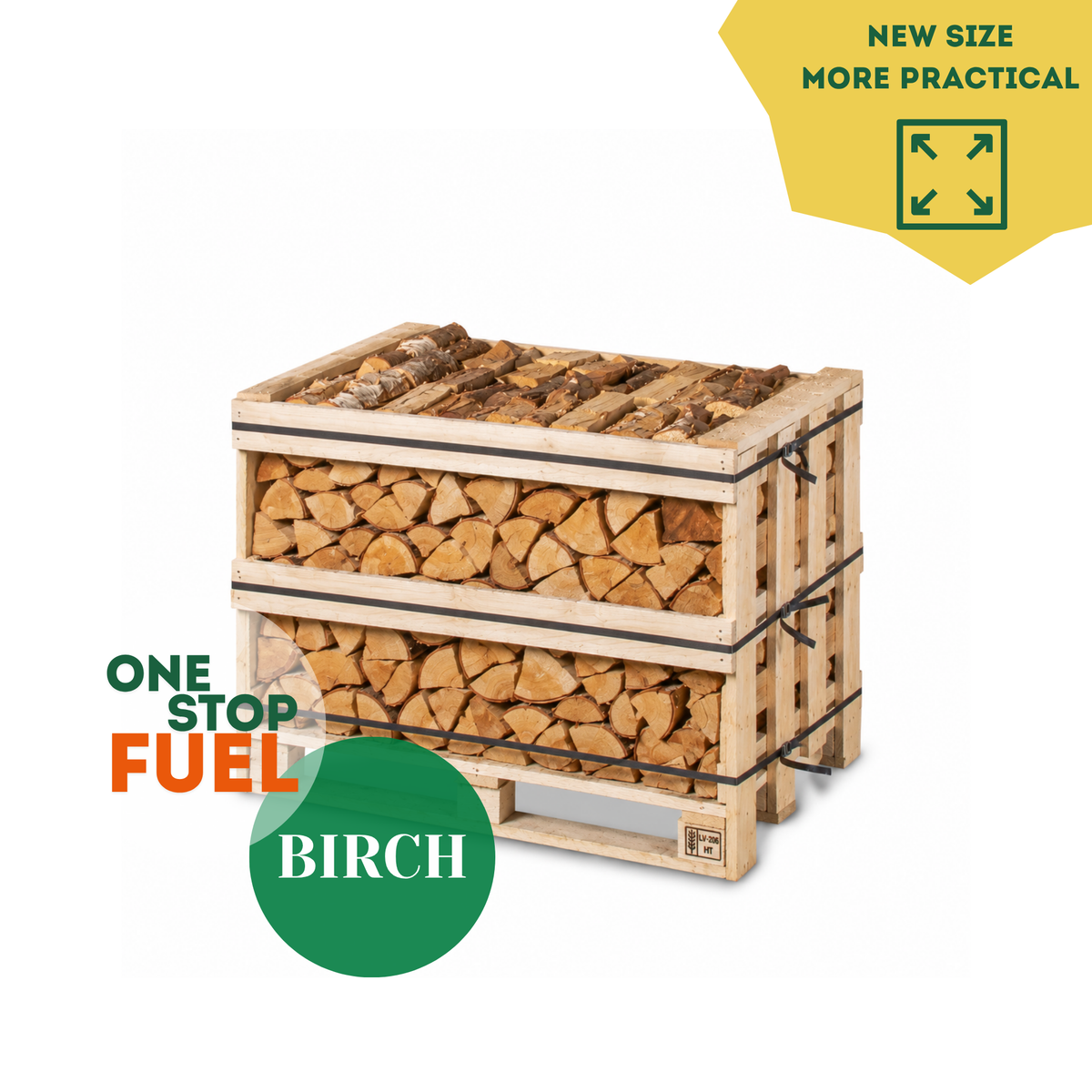
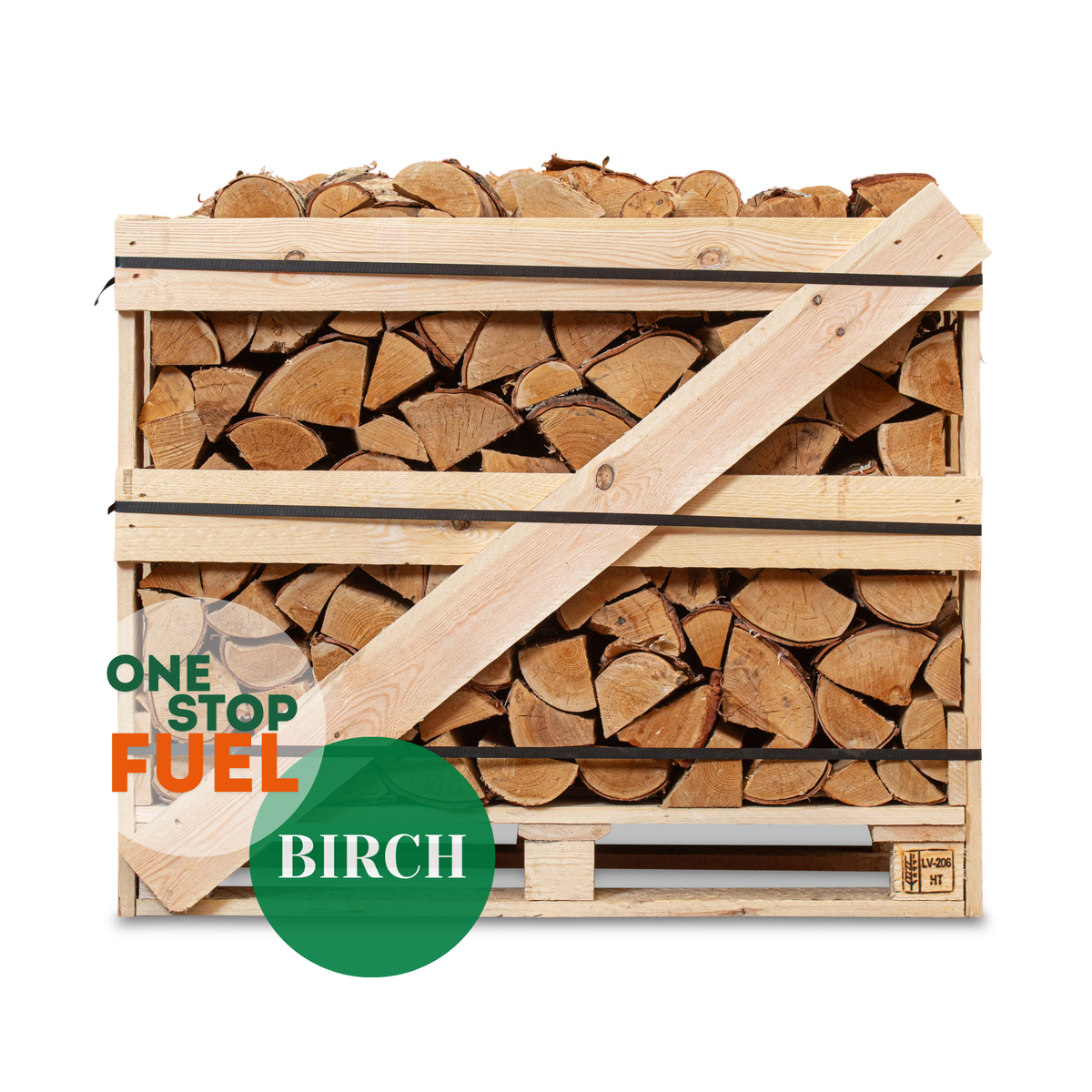
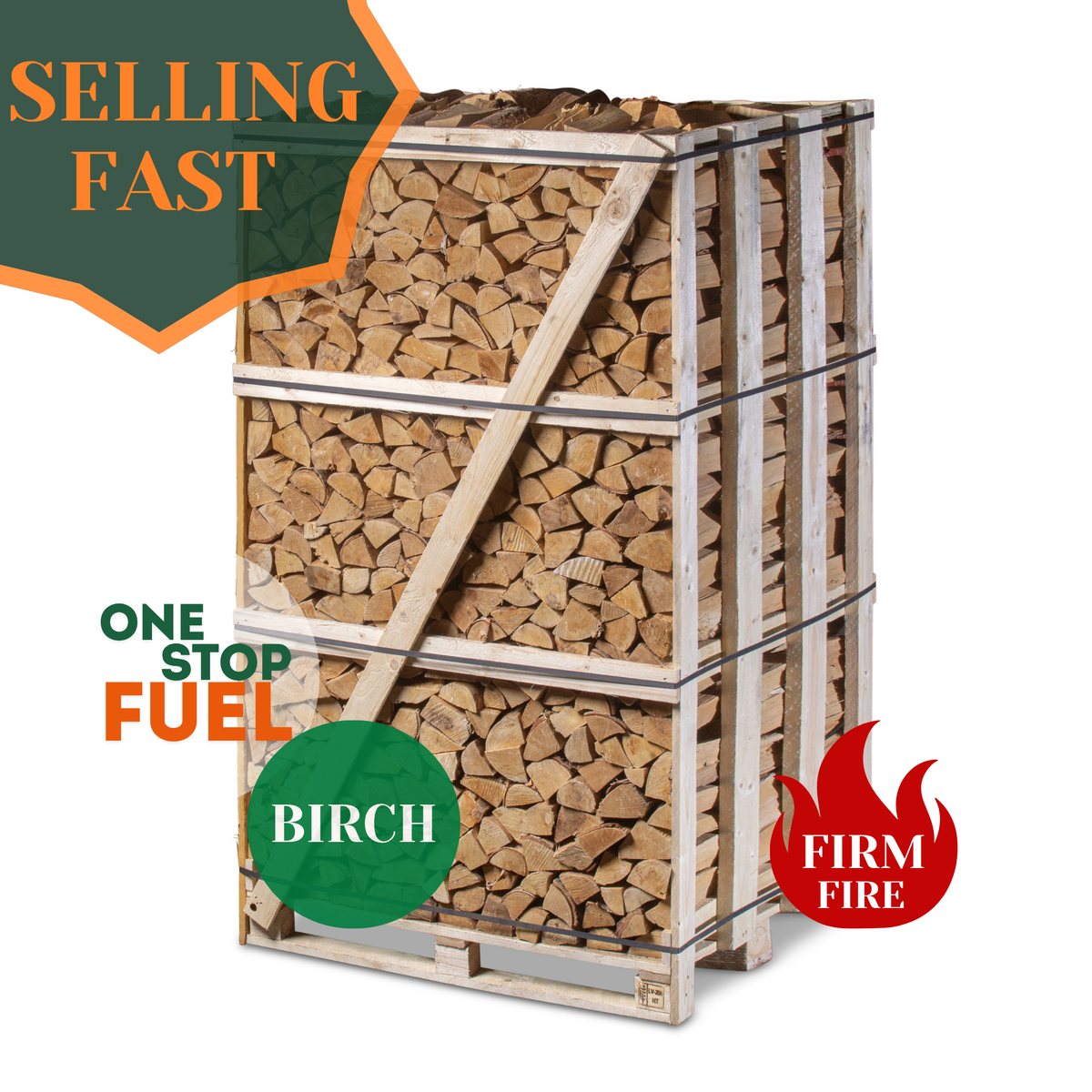
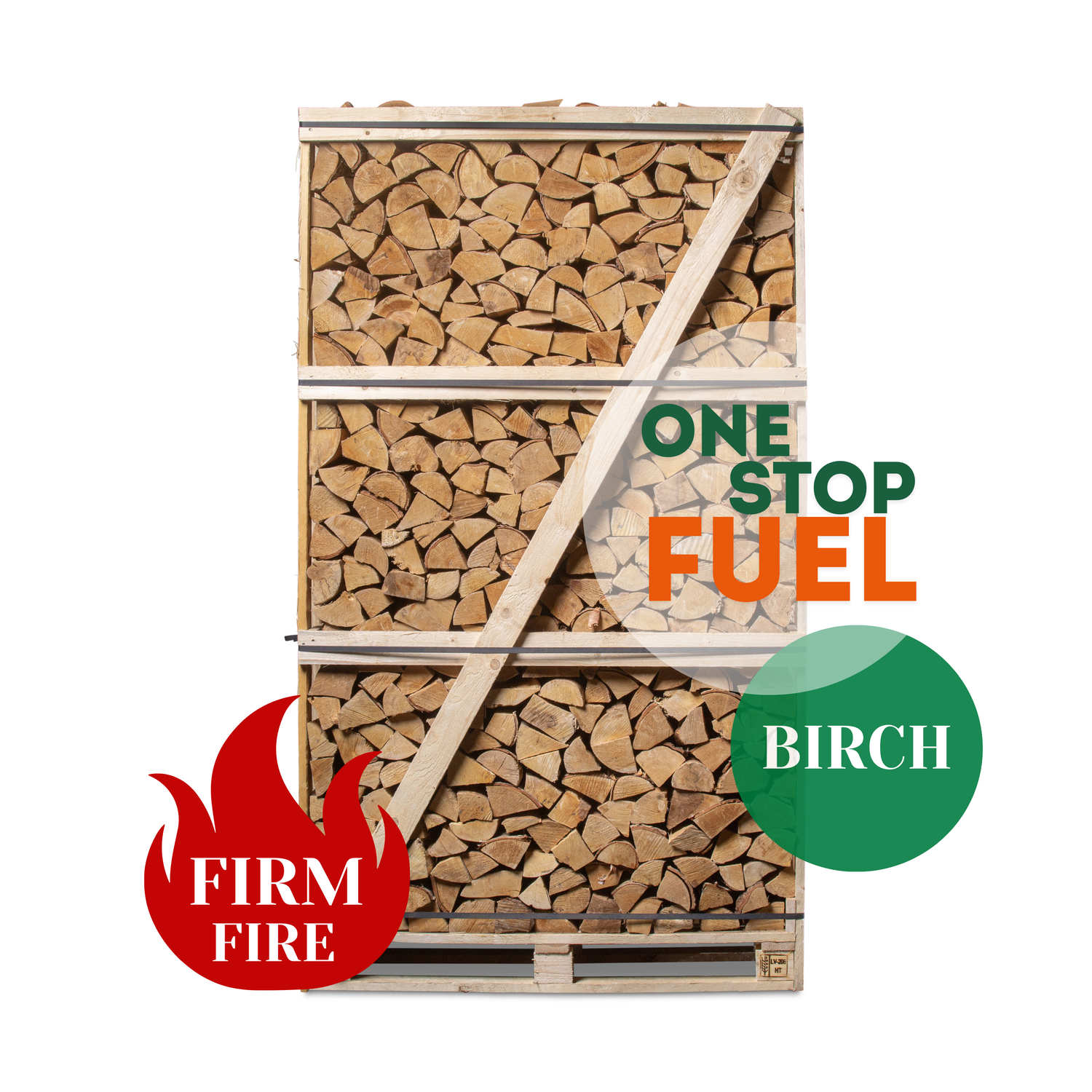
Birch is in high demand. It's genuinely versatile - sauna, pizza oven, quick evening fire - and customers who discover that tend to come back for it. It's become one of our most consistently requested products year-round, not just in winter.
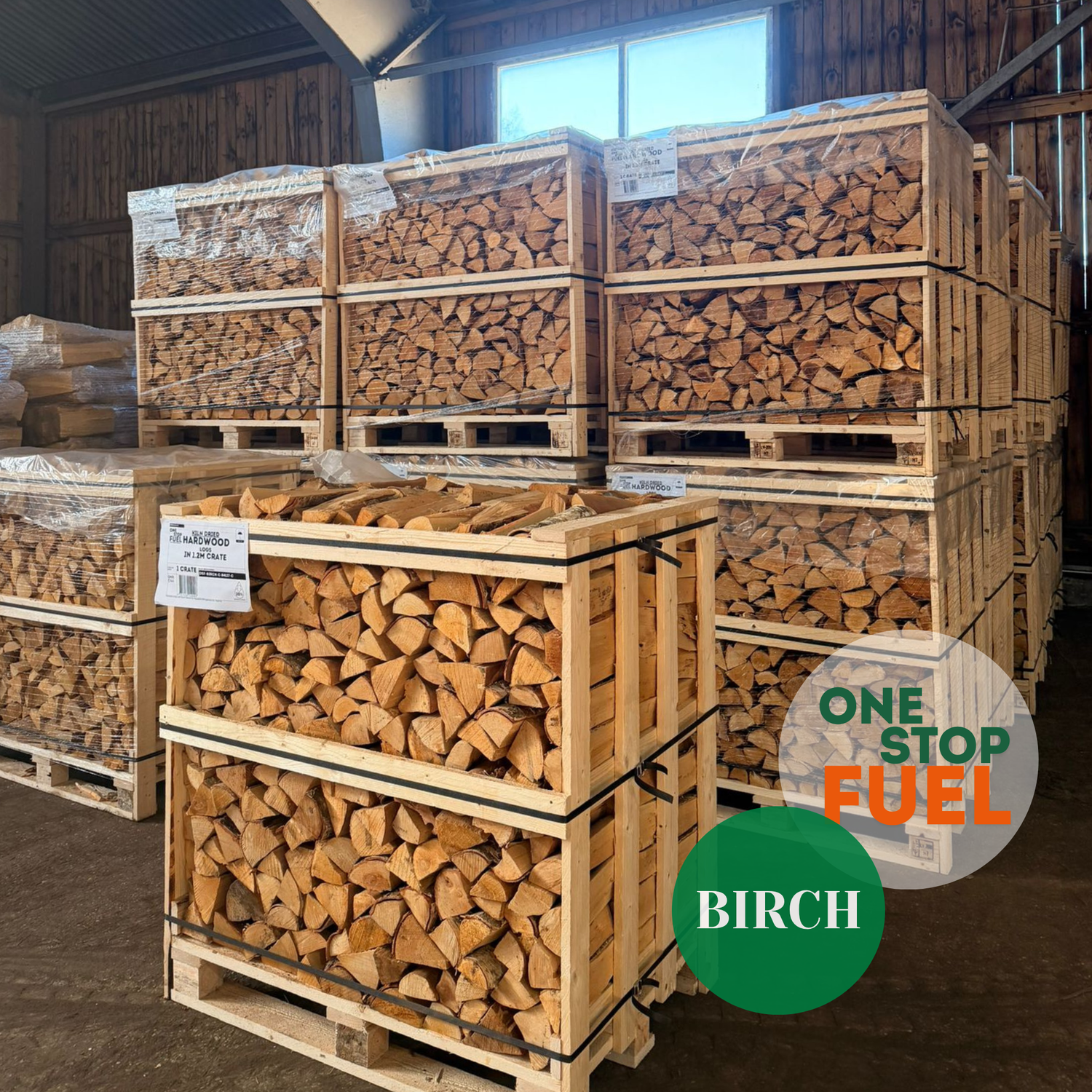
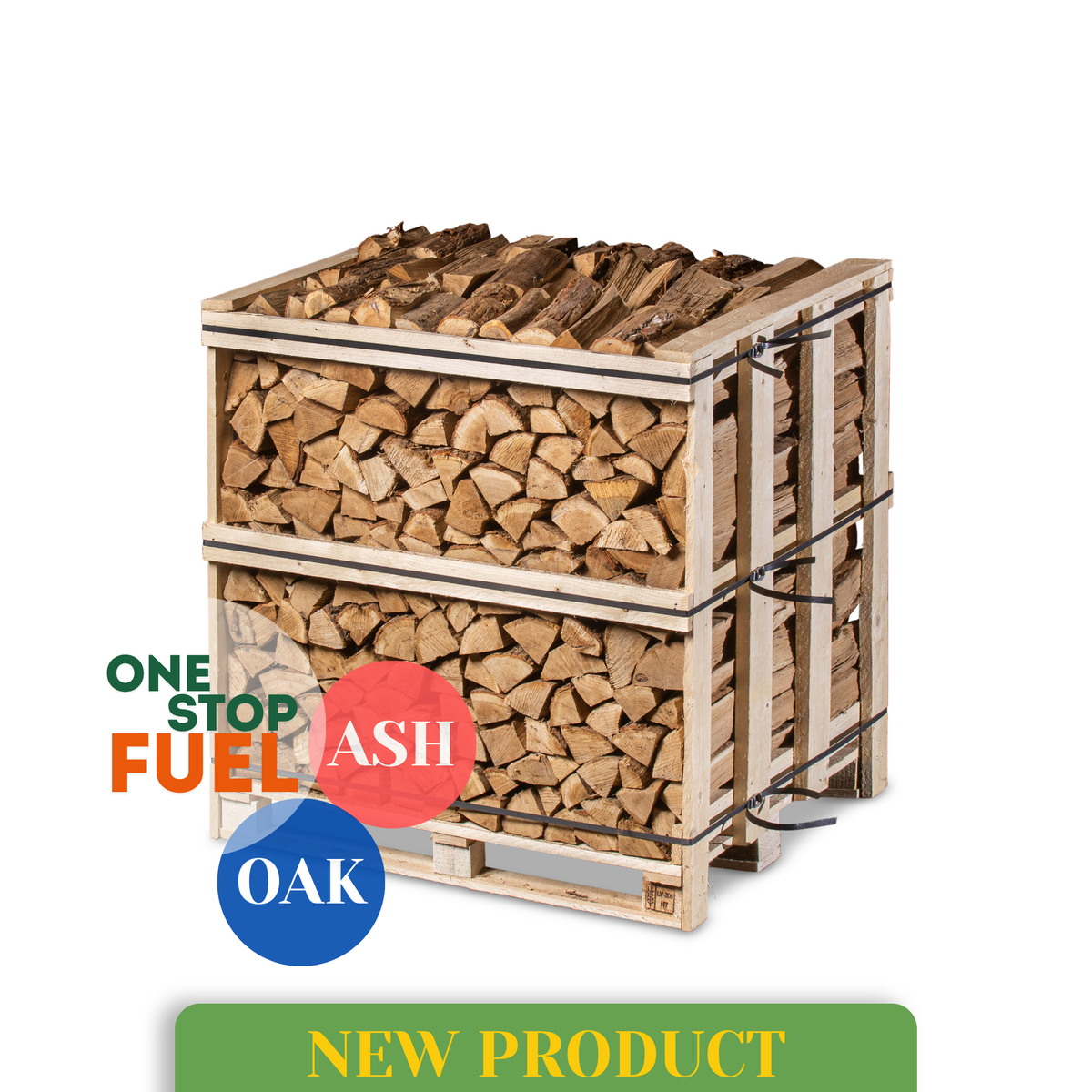
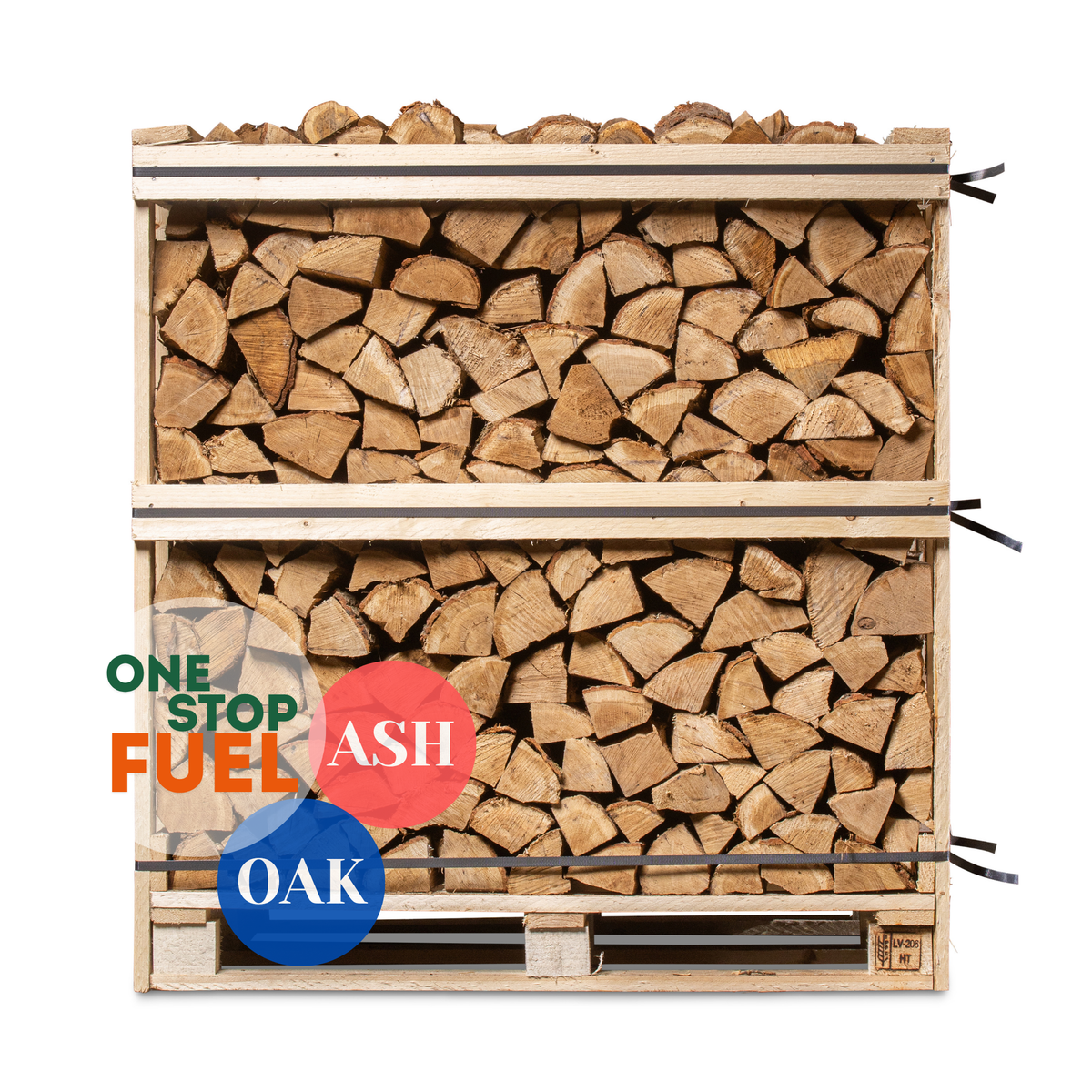
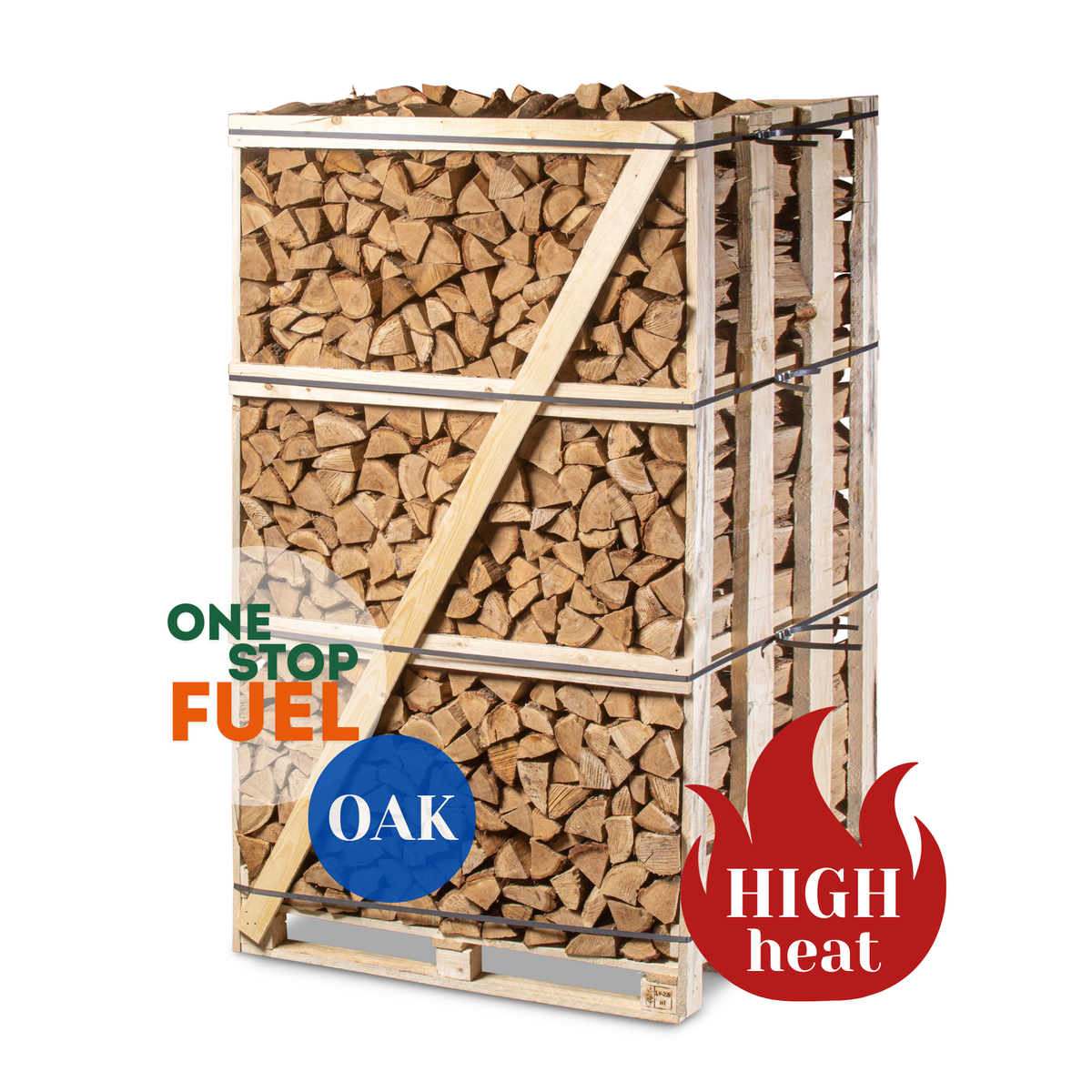
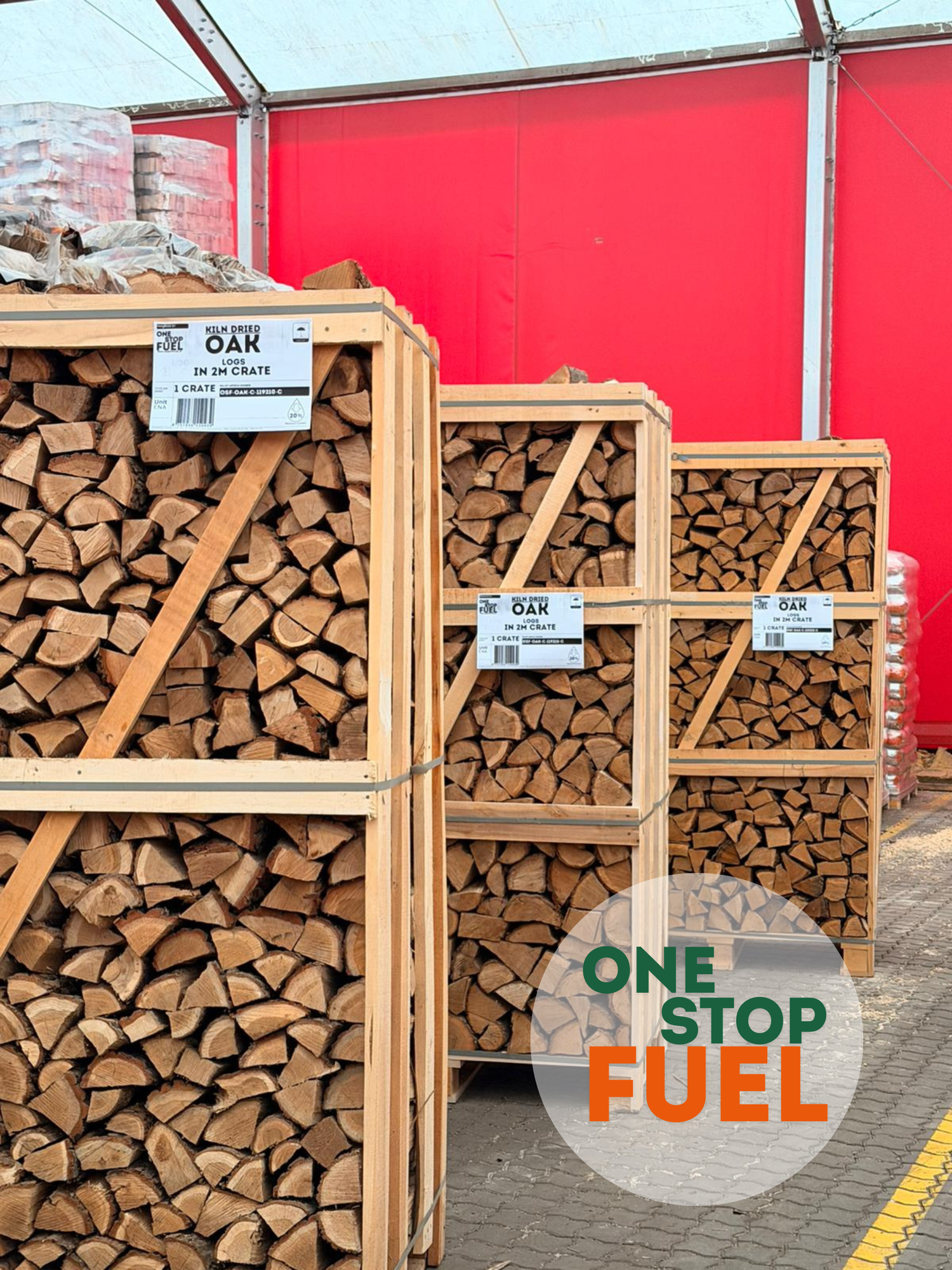
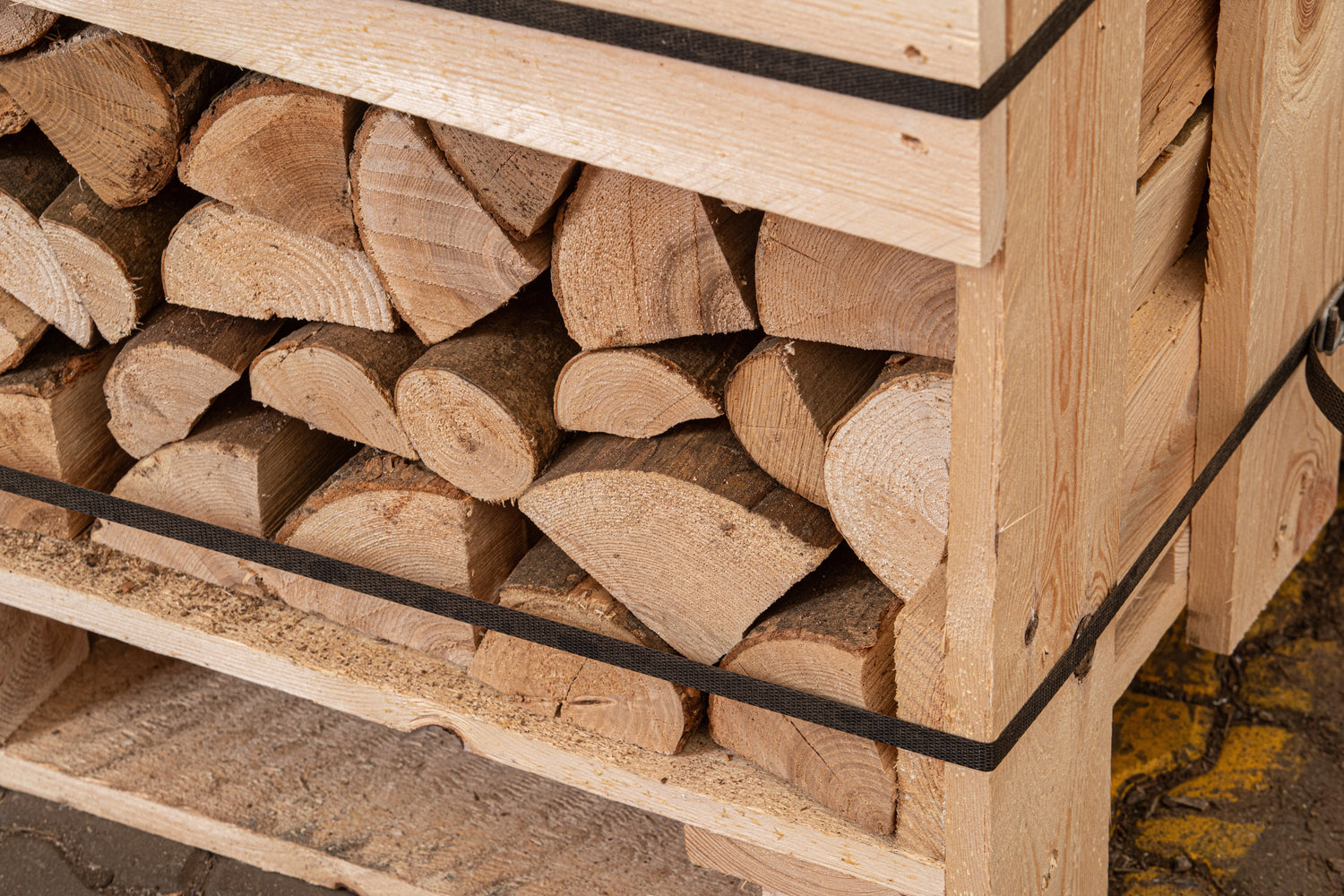
Pallet and crate quantities are growing. More customers are buying in volume rather than small bags. That reflects both confidence in kiln-dried quality and a more planned approach to stocking up.
Delivery expectations have risen. Customers expect reliable, trackable delivery across Ireland. Clear delivery information - what it costs, when it arrives, what's included - matters more to buyers than it did before.
Firewood Prices in Ireland: What's Already Happening and Where They're Going
This is probably the question most Irish customers are asking right now, and the honest answer is: prices have already started moving, and the direction is upward.
Firewood prices in Ireland have been rising steadily since 2022. The combination of increased demand, higher transport costs, tighter timber supply, and the growing shift toward kiln-dried standards has pushed prices up across the board. That trend has continued into 2025 and 2026, and there's nothing in the market at the moment that suggests a reversal.
The main factors driving price increases in the Irish firewood market right now are straightforward:
Kiln-drying has a real cost. Producing properly kiln-dried firewood - below 20% moisture, ready to burn straight from delivery - requires energy, equipment, and time. As that standard becomes the norm rather than the exception, the baseline price of good firewood rises with it. Cheap wood is usually wet wood, and wet wood doesn't perform.
Transport and fuel costs have not come down. Delivery across Ireland is a significant part of the cost of firewood. Diesel prices, driver costs, and logistics have all increased over recent years and remain elevated. That feeds directly into what customers pay.
Looking ahead, analysts tracking the broader wood fuel market expect price increases of 3–10% per year to continue through to 2027 and beyond, driven by the same structural factors. Climate disruptions - storms affecting forestry, wet growing seasons reducing supply - add further uncertainty on top of the baseline trend.
The practical implication for households is simple: buying earlier in the year locks in better pricing and better availability. There's no indication that waiting will result in lower prices. If anything, the evidence points the other way.
At The OneStopFuel, we try to maintain stable, transparent pricing for as long as conditions allow. But we're not immune to what's happening in the wider market, and we think it's more useful to be straight with customers about the direction of travel than to pretend otherwise.
Where Things Are Heading
The broader direction is clear: demand is diversifying, the customer base is growing, and quality expectations are rising. Suppliers who offer consistent, ready-to-burn kiln-dried wood with reliable delivery are well positioned. Those relying on wet or poorly labelled wood are finding it harder to hold customers who now know what good firewood looks like.
For Irish households, firewood is becoming a more considered purchase. Not an impulse buy, not just a winter emergency stop-gap. Something people plan for, stock sensibly, and use across more of the year than they used to.
If there's one thing the 2026 market is telling us, it's this: the customers who plan ahead - buying earlier, in better quantities, from suppliers they trust - are the ones who get the best value. That's unlikely to change.
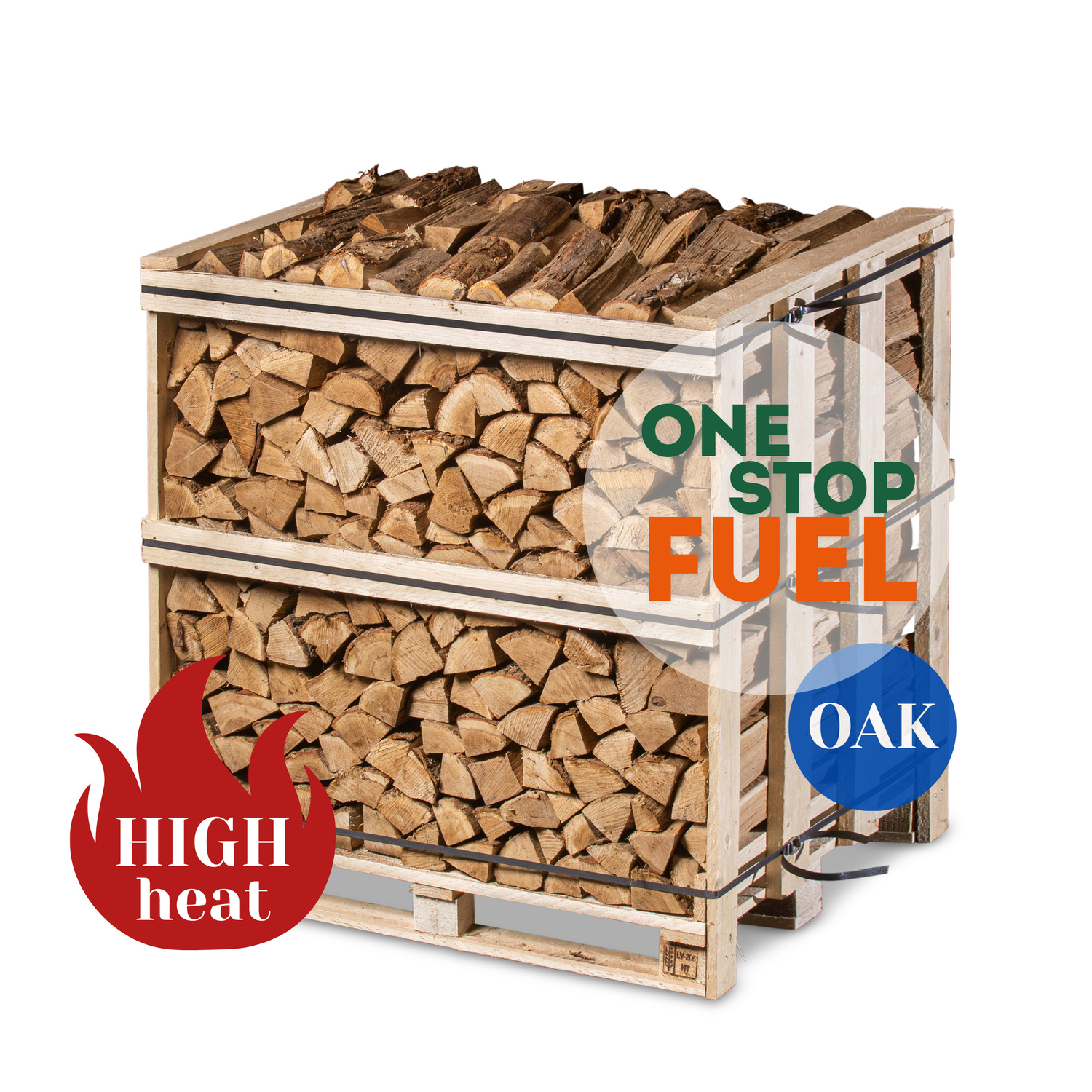
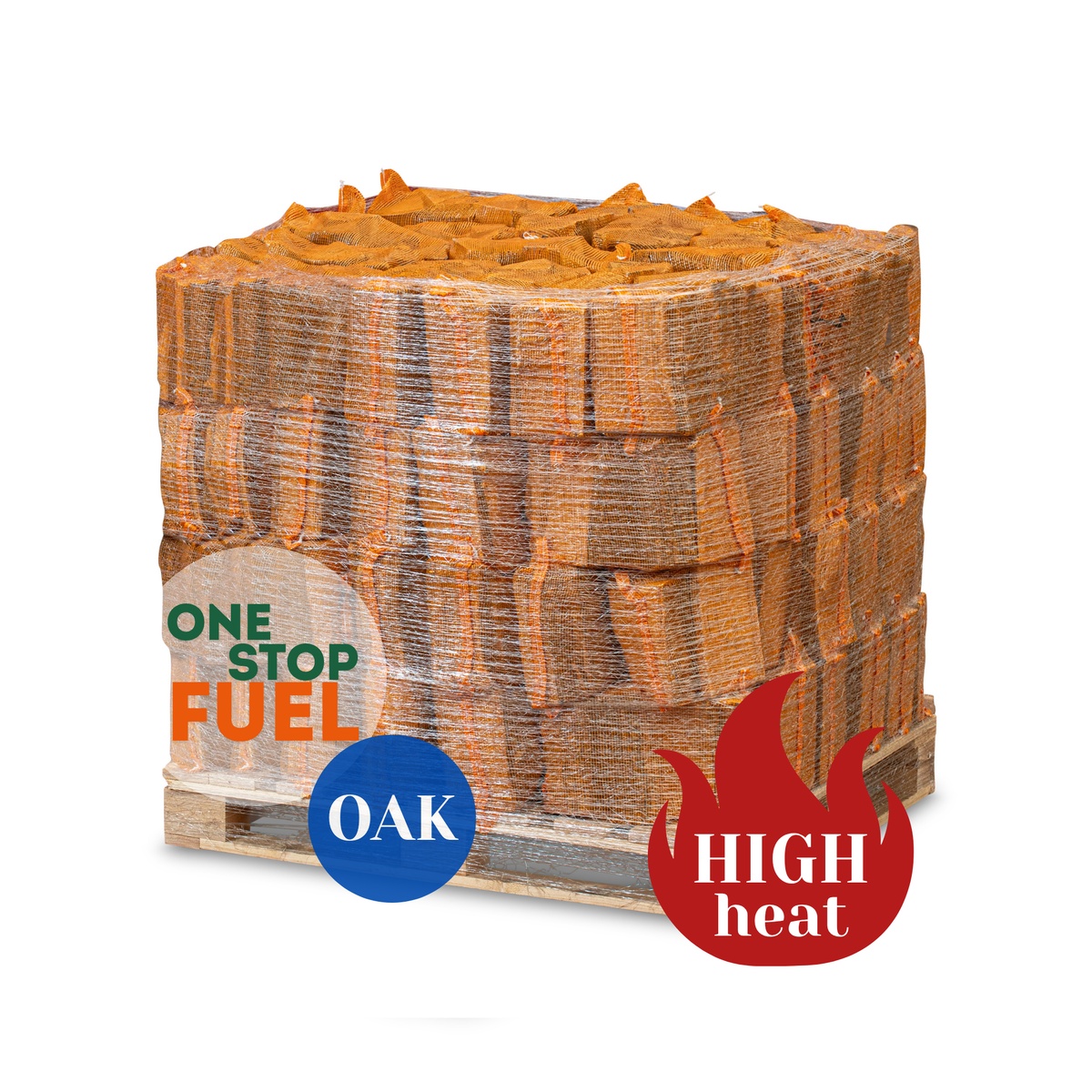
The OneStopFuel supplies kiln-dried hardwood, birch and oak firewood across Ireland. All products are dried below 20% moisture and ready for dispatch. Browse the full range at onestopfuel.ie.