![Best Wood to Burn: Oak vs Ash vs Birch Heat Output Compared [2026]](http://onestopfuel.ie/cdn/shop/articles/6_d37ad322-6dec-40af-93c7-bed10930637b.png?v=1790852854&width=1500)
Key Takeaways
Understanding the differences between oak, ash, and birch firewood helps you maximize heating efficiency and reduce costs while meeting your specific burning needs.
- Oak delivers maximum burn time (6-8+ hours) and highest heat output (25.7-29 million BTUs per cord), making it ideal for overnight heating despite requiring 18-24 months seasoning time.
- Ash offers the best balance with easy ignition, minimal smoke production, and 20-24 million BTUs per cord, requiring only 6-12 months to season properly.
- Birch ignites fastest and produces attractive flames but burns quickest (2-3 hours), making it perfect for fire-starting when combined with denser hardwoods.
- Moisture content is critical – all three woods must reach below 20% moisture for efficient burning, clean combustion, and reduced creosote buildup in chimneys.
- Mix species strategically by using birch for quick ignition, then adding ash or oak for sustained warmth, optimizing both convenience and heating duration.
- The smartest approach combines all three woods based on your immediate needs: birch gets fires started quickly, ash firewood provides reliable everyday heat, and oak ensures long-lasting warmth through cold nights.
Choosing the best wood to burn for your home heating isn't as simple as grabbing whatever logs are accessible to more people. Oak, ash, and birch each offers distinct burning characteristics that affect heat output, burn time, and efficiency. Oak burns slowly and produces high heat output. Ash lights easily and produces minimal smoke. Birch ignites quickly but burns faster than the other two. In fact, the best wood to burn in a fireplace or wood stove depends on your specific needs. This piece breaks down the heat output, BTU ratings, and burning characteristics of all three species and helps you determine what's the best wood to burn for your situation.

Oak Firewood: Heat Output and Burning Characteristics
How to Identify Oak Logs
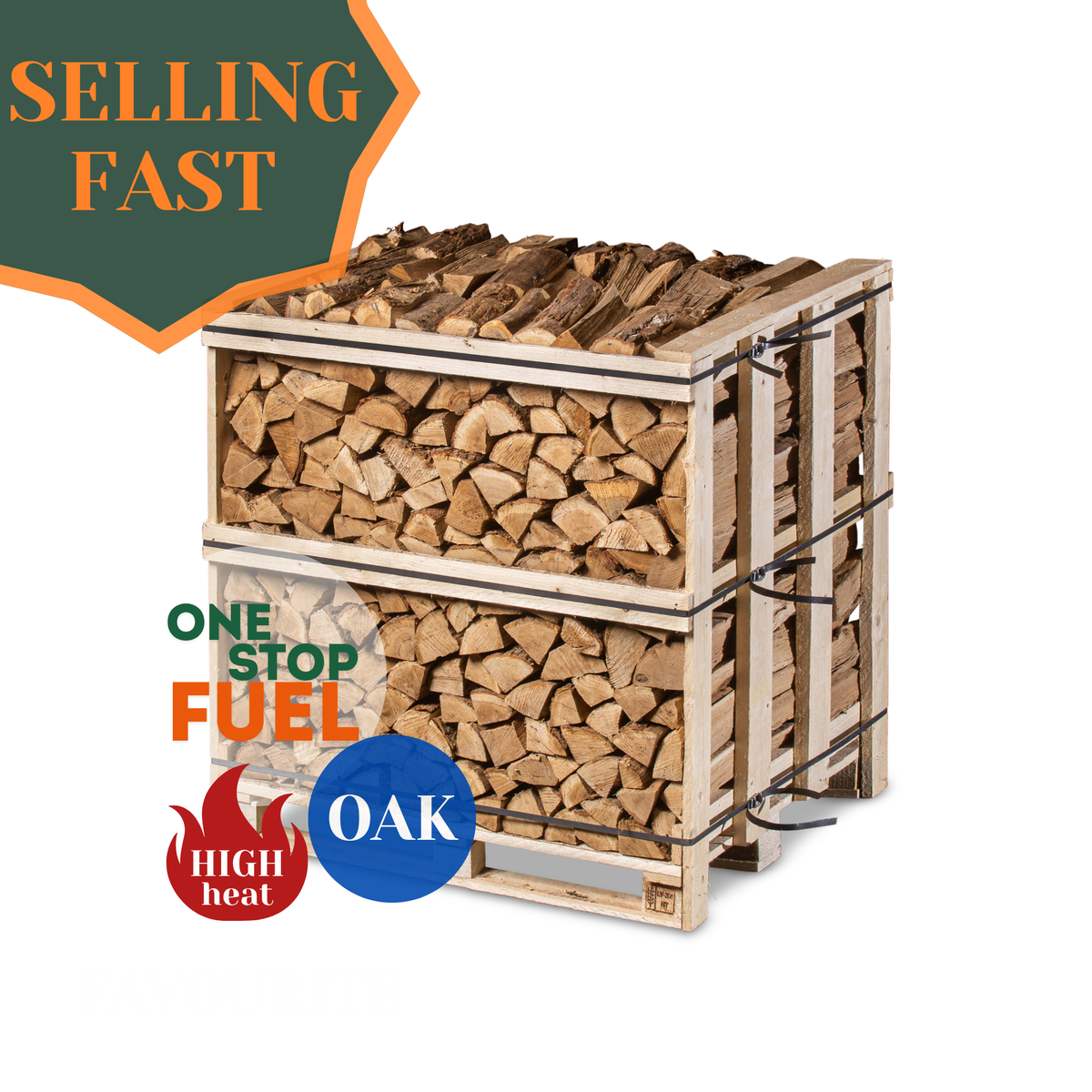
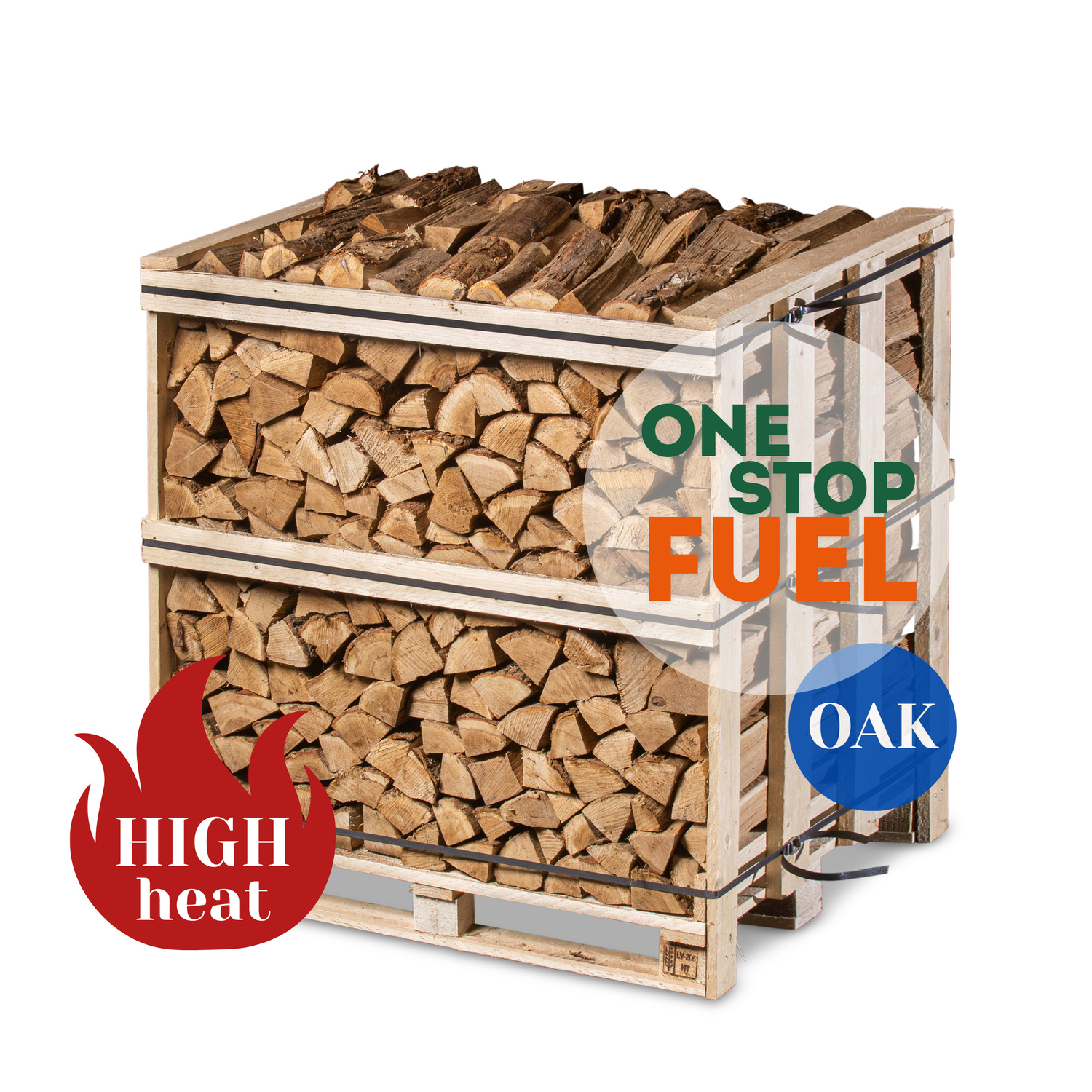
Oak logs display rugged bark with deep fissures and ridges in a grayish-brown tone. The end grain reveals distinctive medullary rays, pale streaks running perpendicular to the growth rings that are often visible to the naked eye. Oak feels substantially heavier than birch or ash logs of the same size due to its exceptional density. The heartwood ranges from light to medium brown, sometimes with a reddish tint. Fresh-split oak releases a sweet, nutty aroma.
BTU Rating and Heat Output of Oak
White oak produces between 25.7 and 29 million BTUs per cord. Red oak produces 24 to 25 million BTUs per cord. This positions oak among the highest heat-producing firewoods available. Oak's heat output ranges from 18 to 20 MJ/kg, making it one of the best firewood to burn in wood stove applications for sustained warmth.
Burn Time: How Long Does Oak Last?
Oak burns much longer than lighter hardwoods because of its density. A single large oak split can burn for hours and produce a steady heat that eliminates the need for frequent reloading. The wood creates long-lasting embers that can remain glowing overnight. This makes it the best wood to burn in fireplace settings where extended heat is needed.
Moisture Content and Seasoning Requirements
Fresh-cut oak can be half water by weight. Air-seasoned oak requires a minimum of 12 months for red oak and 18 to 24 months for white oak. Kiln-dried [LM1] oak should reach a of 20% or less for efficient burning moisture content. Oak holds moisture more stubbornly than most species, which explains the extended seasoning period.
Best Uses for Oak in Wood Stoves and Fireplaces
Oak excels in overnight burns and situations requiring sustained heat over many hours. But oak is slower to ignite than lighter woods. Start fires with kindling or faster-burning wood like birch, then add oak once a proper ember bed is established.
Pros and Cons of Burning Oak
Oak delivers exceptional heat output and the longest burn time among common firewood. The wood produces minimal smoke and sparking when dried. But oak's density makes it harder to split and slower to catch fire. The extended seasoning requirement means planning well ahead of the burning season.

Ash Firewood: Heat Output and Burning Characteristics
Ash earned its reputation as the best wood to burn in fireplace settings for users who value convenience among performance. The species combines high heat output with exceptional ease of use.
How to Identify Ash Logs
Ash bark appears smooth and gray, contrasting with oak's deeply furrowed texture. The wood features a straight, even grain running the length of each piece. Ash feels lighter than oak when handling logs of similar size.
BTU Rating and Heat Output of Ash
Ash delivers 20 to 24 million BTUs per cord and positions itself below oak but still among top-performing hardwoods. This heat output makes ash suitable as a main heating source.
Burn Time: How Long Does Ash Last?
Kiln-dried ash burns for 3 to 5 hours per load. The burn duration is shorter than oak's, but ash provides steady heat throughout its burn cycle.
Need firewood?
Kiln-dried oak, birch and hardwood logs delivered across Ireland.
Moisture Content and Seasoning Requirements
Ash requires 6 to 12 months of seasoning to reach moisture levels under 20%. Split logs need 12 to 18 months. Ash seasons faster than oak due to lower moisture content at the start.
Best Uses for Ash in Wood Stoves and Fireplaces
Ash excels in applications requiring quick ignition and reliable heat buildup. The wood suits pizza ovens and situations where rapid temperature gain matters.
Pros and Cons of Burning Ash
Ash lights easily and produces minimal smoke when dried. The wood burns cleaner than most species and reduces creosote buildup. Ash burns faster than denser hardwoods, though, requiring more frequent reloading.

Birch Firewood: Heat Output and Burning Characteristics
Birch stands out as the most available hardwood for beginners. It ignites quickly and has forgiving burning characteristics. Several species serve as firewood, each with distinct performance levels.
How to Identify Birch Logs
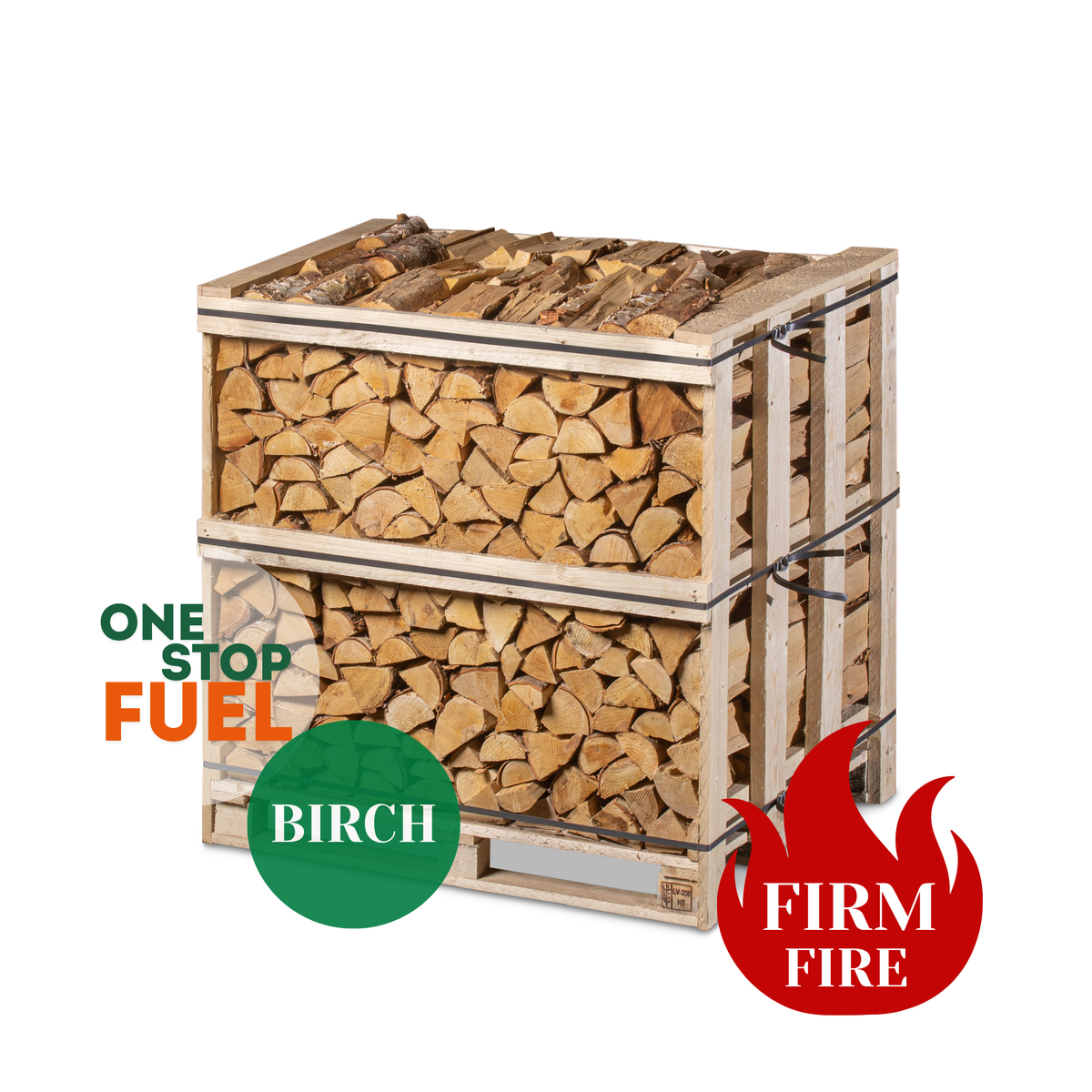
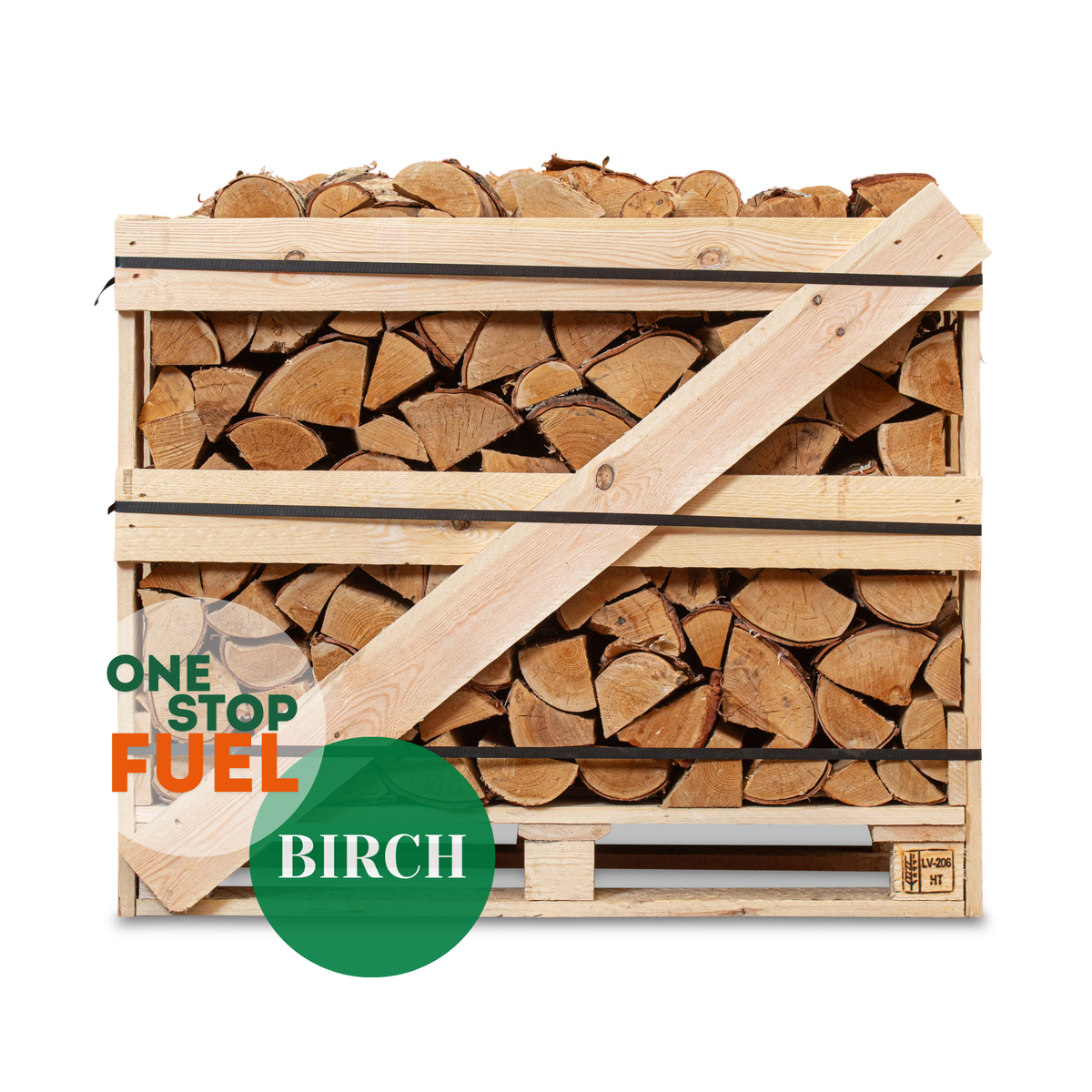
Birch logs feature distinctive white or silver bark that makes identification straightforward. The wood displays triangular or heart-shaped leaves and lighter colored wood compared to oak or ash. Logs from mature trees show darker, rougher bark on lower sections where most firewood originates.
Birch's BTU Rating and Heat Output
Black birch produces 3,890 million BTUs per cord. Yellow birch gets 3,689 million BTUs, while white and paper birch deliver 3,179 million BTUs per cord. Birch that is seasoned properly approaches 1,900 to 2,000 kWh/m³ in heat output.
Burn Time: How Long Does Birch Last?
Birch firewood burns for 2 to 3 hours per load, much faster than oak firewood or ash. This quick consumption requires more frequent reloading during extended heating sessions.
Moisture Content and Seasoning Requirements
Freshly cut birch contains 30% to 40% moisture content. The ideal seasoning period spans 12 to 18 months. Birch can be ready within 6 to 12 months under optimal drying conditions, though.
Best Uses for Birch in Wood Stoves and Fireplaces
Birch excels at starting fires and providing quick warmth. Mix birch with denser hardwoods to balance performance. Use birch to ignite and oak or ash to sustain heat.
Pros and Cons of Burning Birch
Birch ignites easily and produces bright, attractive flames with pleasant aroma. The bark works as natural kindling. Birch burns faster than denser hardwoods, but, and can contribute to creosote buildup if burned unseasoned.
Oak vs Ash vs Birch: Direct Heat Output Comparison
Performance metrics reveal clear differences between these three species when comparing actual burning conditions and heat delivery.
BTU Comparison Chart: Oak vs Ash vs Birch
White oak delivers 25.7 million BTUs per cord. Red oak produces 24 million BTUs. White ash gets 23.6 million BTUs. Black birch tops the chart at 26.8 million BTUs. Yellow birch matches ash at 23.6 million BTUs, while paper, white, and gray birch produce 20.3 million BTUs per cord.
Burn Time Comparison: Which Lasts Longest?
Oak burns longest at 6 to 8 hours or more per load. Ash provides 4 to 6 hours, and birch burns fastest at 3 to 5 hours. Oak can burn up to 40% longer than birch per volume.
Ignition Speed and Ease of Lighting
Birch ignites most easily due to natural oils in its bark. Ash catches fire on smaller flame beds, while oak requires a built-up ember bed to ignite smoothly.
Smoke Production and Creosote Buildup
Oak produces more smoke due to high tannin content and gets more creosote than ash or birch. Ash produces minimal smoke and less creosote buildup, making it safer for chimneys.
Cost Comparison: Best Value for Money
Pricing varies by region and supplier. Oak costs more due to longer seasoning requirements and superior burn time.
Which Wood is Best for Your Fireplace or Stove?
Oak suits and extended burns. Ash works best for reliable everyday heating. Birch excels for overnight heating, quick fires and rapid warmth.
Comparison Table
Oak vs Ash vs Birch Comparison Table
|
Attribute |
Oak |
Ash |
Birch |
|
BTU Rating (Million BTUs per cord) |
White Oak: 25.7-29Red Oak: 24-25 |
20-24White Ash: 23.6 |
Black Birch: 26.8Yellow Birch: 23.6White/Paper/Gray Birch: 20.3 |
|
Heat Output |
18-20 MJ/kg |
Not mentioned |
1,900-2,000 kWh/m³ |
|
Burn Time (hours per load) |
6-8+ hours |
3-5 hours (kiln-dried) |
2-3 hours |
|
Seasoning Time Required |
Red Oak: 12 months minimumWhite Oak: 18-24 months |
6-12 months (general)12-18 months (split logs) |
6-12 months (optimal conditions)12-18 months (ideal) |
|
Target Moisture Content |
20% or less |
Under 20% |
Not mentioned (starts at 30-40% fresh) |
|
Ignition Speed |
Slow - needs an active ember bed |
Easy - catches readily on smaller flame beds |
Fastest - natural oils in bark help it ignite most easily |
|
Smoke Production |
Higher smoke due to high tannin content |
Minimal smoke |
Not mentioned |
|
Creosote Buildup |
More creosote than ash or birch |
Less creosote buildup |
Can contribute to creosote if burned unseasoned |
|
Best Uses |
Overnight burns and sustained heat over many hours |
Quick ignition, reliable heat buildup, pizza ovens |
Starting fires, quick warmth, natural kindling |
|
Key Advantages |
• Exceptional heat output• Longest burn time• Minimal smoke when dried properly• Long-lasting embers |
• Lights easily and burns cleaner• Minimal smoke• Reduces creosote buildup |
• Ignites easily with bright, attractive flames• Pleasant aroma• Bark functions as natural kindling |
|
Key Disadvantages |
• Harder to split and slower to ignite• Needs extended seasoning• Retains moisture stubbornly |
• Burns faster than denser hardwoods• Needs more frequent reloading |
• Burns fastest of the three• Needs more frequent reloading• Can cause creosote if unseasoned |
|
Burn Duration vs Birch |
Up to 40% longer than birch per volume |
Not mentioned |
Baseline comparison |
Conclusion
The depends on your heating needs. Oak delivers the longest burn time and highest sustained heat, though it requires patience to ignite. Ash offers balanced performance with easy lighting and minimal smoke. Birch excels at quick ignition but burns fastest. Many wood burners mix these species for optimal performance: birch to start fires, then ash or oak for sustained warmth. Your choice comes down to whether you prioritize burn duration or convenience[LM2] .
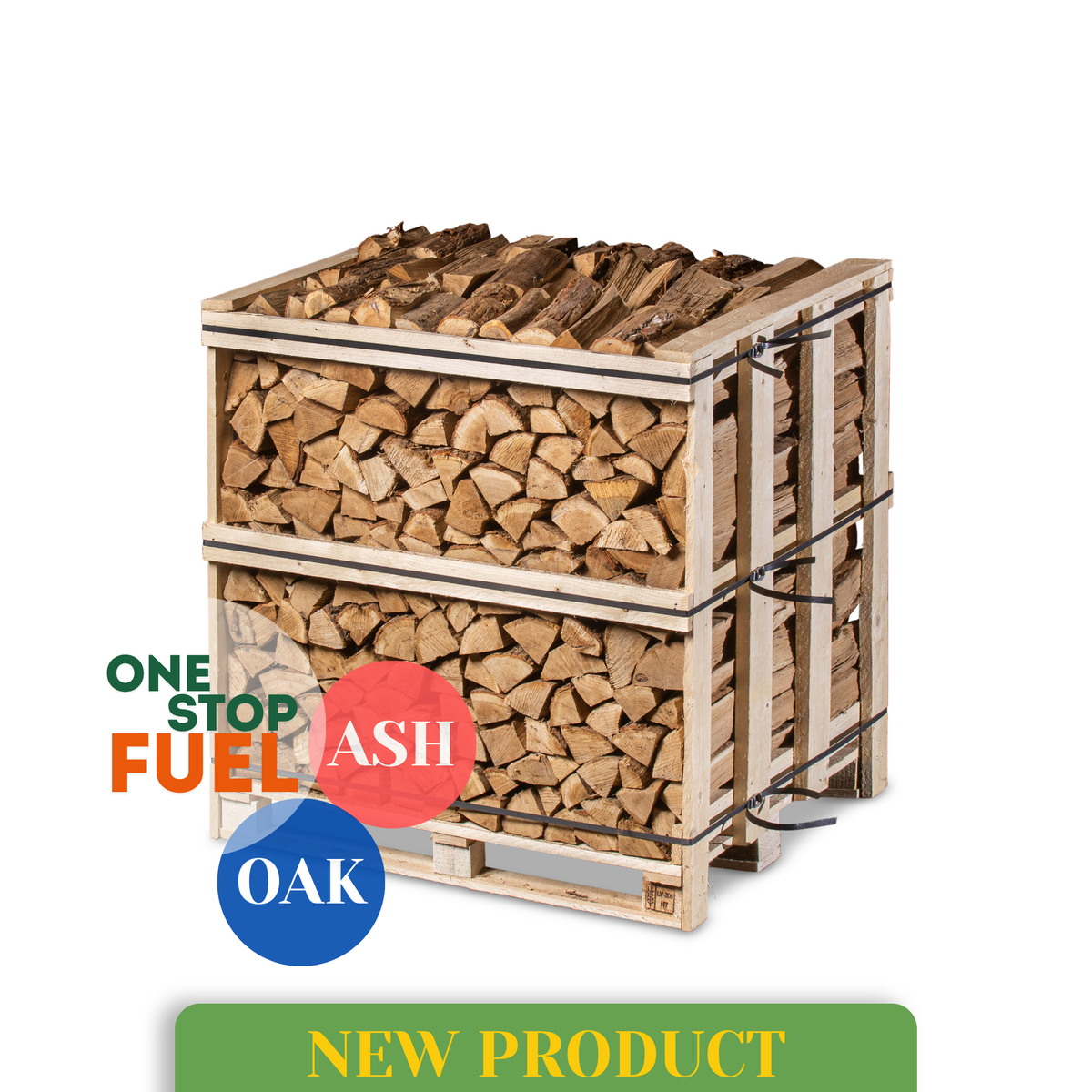
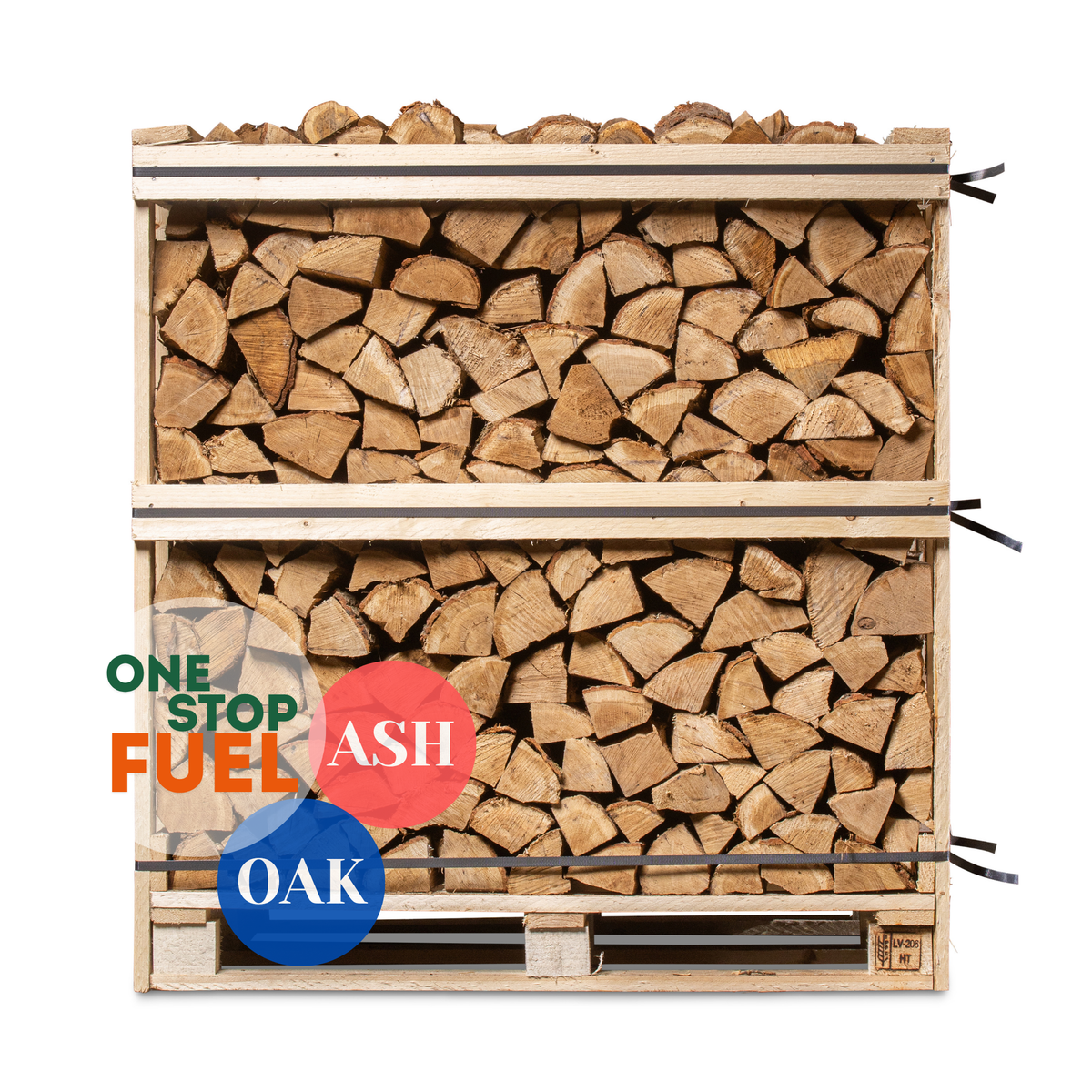
For homeowners who prefer the benefits of more than one wood type, mixed firewood crates can be a practical option. Some suppliers offer combinations such as oak and ash in a single crate, giving you the longer burn time of oak together with the easier ignition and everyday usability of ash. We, for example, offer a Premium Oak-Ash Firewood crate for customers who want a balanced mix without buying separate wood types.
FAQs
Which wood produces the most heat: oak, ash, or birch?
White oak produces the highest heat output at 25.7-29 million BTUs per cord, followed closely by black birch at 26.8 million BTUs. Ash generates 20-24 million BTUs per cord. However, oak's denser composition means it burns longer and delivers more sustained heat over time, making it the most efficient choice for maximum heat production.
How long does each type of wood need to season before burning?
Oak requires the longest seasoning time at 18-24 months for white oak and 12 months minimum for red oak. Ash seasons faster, needing 6-12 months under optimal conditions or 12-18 months for split logs. Birch falls in between, requiring 6-12 months in ideal drying conditions or 12-18 months for best results.
Which wood is easiest to light and start a fire with?
Birch is the easiest wood to ignite due to natural oils in its bark, which acts as natural kindling. Ash comes second, catching fire readily even on smaller flame beds. Oak is the most difficult to light, requiring an established ember bed before it will ignite smoothly.
What are the main differences in burn time between these woods?
Oak burns the longest at 6-8 hours or more per load, making it ideal for overnight heating. Ash provides a moderate burn time of 3-5 hours when kiln-dried. Birch burns fastest at 2-3 hours per load, requiring more frequent reloading but providing quick warmth.
Which wood produces the least smoke and creosote buildup?
Ash produces the least smoke and creosote buildup when properly dried, making it the safest option for chimneys. Oak generates more smoke due to its high tannin content and creates more creosote than ash or birch. Birch can contribute to creosote buildup if burned while unseasoned, but produces minimal smoke when properly dried.