Key Takeaways
Understanding your firewood needs prevents costly mistakes and ensures comfort throughout winter. Here's what you need to know:
- Calculate based on usage patterns: Calculate based on usage patterns: Occasional users may need around 0.65–1.3 m³, evening fires around 1.3–2.6 m³, daily use around 2.6–5.2 m³, and primary heating around 5.2–10.4+ m³ per winter season.
- Track hourly consumption to estimate accurately: Modern wood stoves burn 1.5-2kg per hour, while consumption varies by appliance type, reduce estimates by 25% for efficient stoves or increase by 50% for open fireplaces.
- Buy firewood in late winter or early spring: Purchasing off-season provides 20-40% lower prices compared to winter rates and ensures well-seasoned wood with proper moisture content below 20%.
- Add a 10-15% safety buffer to your calculations: This extra supply protects against unexpected cold snaps, calculation errors, and lower-quality wood batches without significant waste.
- Choose hardwoods and monitor moisture content: Oak delivers 26.4 million BTU per cord versus pine's 15.9 million BTU, while properly seasoned wood (15-20% moisture) produces twice the heat of wet wood.
The key to successful wood heating is tracking your first season's consumption patterns. This real-world data eliminates guesswork and helps you order precisely what you need for future winters. Wondering how much firewood you need for winter? Buying too little means shivering through cold nights, while overbuying wastes money and storage space.
The answer varies a lot. A typical household with a medium-sized wood heater might burn 2 to 4 cubic meters of firewood each season. Your actual requirements depend on your climate and home size, plus how often you light fires.
You don't have to guess how much firewood per year, per month, or even per week you'll need.
This piece walks you through calculating your exact firewood needs for winter and helps you plan smarter for the cold months ahead.

Quick Guide: How Much Firewood Do I Need for Winter?
Your firewood requirements fall into predictable ranges based on how you use your heating appliance. Understanding these patterns helps you order the right amount without running short or overstocking.
Rough Estimates by Usage Pattern
Usage patterns determine your total winter supply more than any other single factor. Here's what you can expect based on different heating scenarios:
Cold climates like the Northeast and Midwestern states need 2-3 cords per 1,000 square feet of space you're heating. Milder climates such as Mid-Atlantic and Southern states require 1-2 cords per 1,000 feet.
You may want to order a full cord if you use firewood only for recreational fires about once a week, since wood burns faster in outdoor conditions. Indoor fires lit occasionally need roughly half a cord for the entire winter.
How Much Firewood Per Week and Per Month
Weekly and monthly consumption figures give you better control over your supply. A typical wood-burning stove uses around 1.5-2kg of dry hardwood per hour, depending on the stove and how hot you run it.
You'll consume about 7-10 logs daily if you burn fires for 5 hours each evening with that calculation. With 1 cubic meter containing roughly 300 logs, this translates to about 0.07 cubic meters per week for daily evening use.
Moderate daily use of 6 hours means you'll burn through 2.5-3 cubic meters over a typical winter season. This breaks down to about 0.2-0.25 cubic meters per week, or roughly 0.8-1 cubic meter per month during peak heating periods.
Heavy users burning 8-12 hours daily will consume 4-6 cubic meters throughout the season, equating to 0.3-0.5 cubic meters weekly. Track your weeks of burning at the start to refine these estimates for your specific situation and adjust future orders therefore.
The Key Variables Affecting Your Firewood Requirements
Several interconnected factors determine how much firewood you'll burn each winter. These variables help you move beyond rough estimates to a more accurate calculation.
Your Heating Method and Appliance Type
Your heating appliance influences consumption rates in a big way. Wood stoves with airtight construction burn fuel more efficiently than traditional open fireplaces, which lose most heat up the chimney. Modern EPA-certified stoves extract maximum heat from each log and reduce your overall needs by 30-50% compared to older models. Insert stoves fitted into existing fireplaces offer middle-ground efficiency.
Property Size and Layout Considerations
Square footage matters, but layout affects heating efficiency just as much. Open-plan homes distribute heat more evenly and require less firewood than multi-room designs with closed doors. High ceilings mean more volume to heat. Your wall, floor and attic insulation quality determines how much heat escapes. Poor insulation forces you to burn by a lot more wood to maintain comfortable temperatures.
Wood Quality and Species Impact
Hardwoods like oak and maple contain more energy per cubic meter than softwoods such as pine. Moisture content affects burning efficiency in a drastic way. Seasoned wood with 15-20% moisture produces twice the heat of green wood at 40-50% moisture. Wet wood wastes energy evaporating water rather than heating your home.
Geographic Location and Winter Severity
Your climate zone determines heating season length and intensity. Northern regions face longer, harsher winters and require much more firewood. Wind exposure, altitude and typical winter temperatures all factor into your consumption rate.
Personal Comfort Priorities and Lifestyle
Your desired indoor temperature affects burn rates a lot. Keeping rooms at 22°C requires more fuel than maintaining 18°C. Work schedules matter too. Homes occupied all day need continuous heating, whereas houses empty during work hours can use less firewood by banking fires or letting temperatures drop temporarily.

Step-by-Step: Calculate Your Exact Firewood Needs
Establishing your baseline consumption starts with tracking how many hours you burn fires each day. A typical wood-burning stove uses around 1.5-2kg of dry hardwood per hour, depending on the stove and how hot you run it. Wood burners consume 3-4 logs per hour for log-based calculations, while open fires burn through 5-7 logs per hour.
Determine Your Daily Usage Hours
Record your burning patterns for one week. Your daily average equals about 6 hours if you light fires from 6 PM to 11 PM on weekdays and 10 hours on weekends. Multiply this by your wood type's hourly consumption rate. A modern stove burning 1.5kg per hour for 6 hours consumes 9kg daily.
Calculate Weekly and Monthly Requirements
Use this formula to establish your total needs:
hours per day × days per week × weeks in season × kg per hour.
Burning 5 hours daily over 7 days equals 175 logs weekly at 5 logs per hour. This totals 2,800 logs or about 9-10 cubic meters over a 16-week heating season [so].
Base requirements vary by home size. Small homes need 2-3 cords, while medium homes require 3-5 cords and large properties use 4-6 cords. Adjust for your appliance type: reduce requirements by 25% for modern stoves or increase by 50% for open fireplaces. Softwood users should add 20% to their calculations.
Account for Peak Cold Periods
Cold snaps increase consumption substantially. You may burn 30-40% more wood to maintain comfortable temperatures when prolonged freezes hit. Review historical weather data for your area to identify typical peak periods.
Add a Safety Buffer for Your Winter Supply
Add 10-15% extra wood beyond your calculated needs. This buffer protects against unexpected cold spells, calculation errors, or lower-quality wood batches. Properly stored firewood keeps well, and slight overestimation beats running short mid-winter.

Smart Firewood Planning and Management
Successful wood heating extends beyond calculating how much firewood you need for winter. You must understand fuel quality, strategic purchasing and proper storage practices to manage your supply.
Understanding Wood Types and Heat Output
Hardwoods like oak, hickory and maple burn longer and produce more heat compared to softwoods. Oak delivers 26.4 million BTU per cord, while white pine produces only 15.9 million BTU. Moisture content matters just as much. Kiln-dried logs with moisture below 15% burn hotter and more efficiently than seasoned wood at 20-25% moisture. Wet firewood wastes energy evaporating water instead of heating your home.
Buying Firewood: Timing and Suppliers
Late winter through early spring offers the best time to buy seasoned firewood for next winter. The heating season ends and suppliers often discount remaining stock. Spring and summer purchases provide 20-40% lower prices than winter rates. You protect yourself from seasonal shortages and get well-seasoned wood through early purchasing.
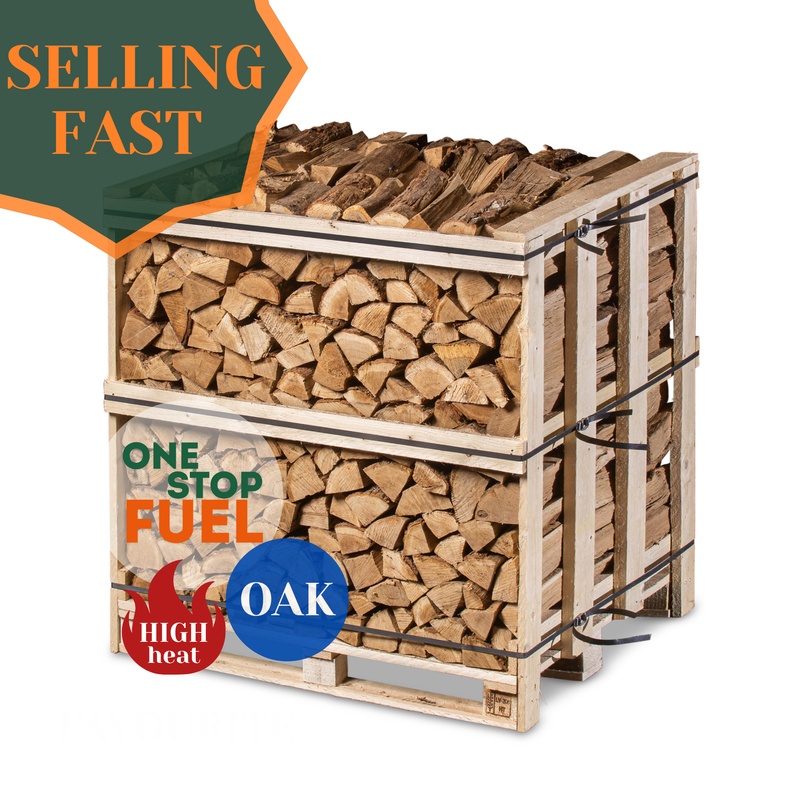
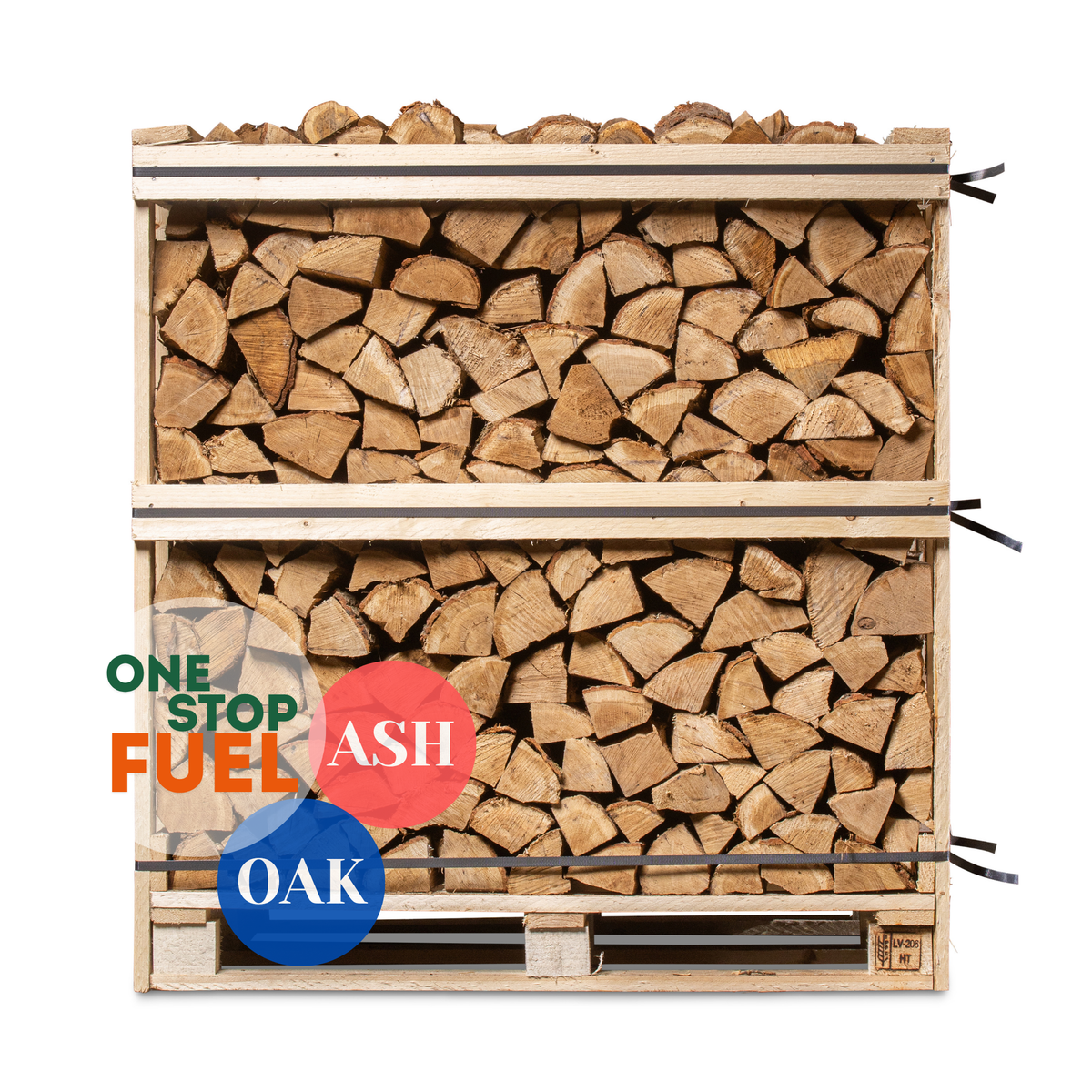
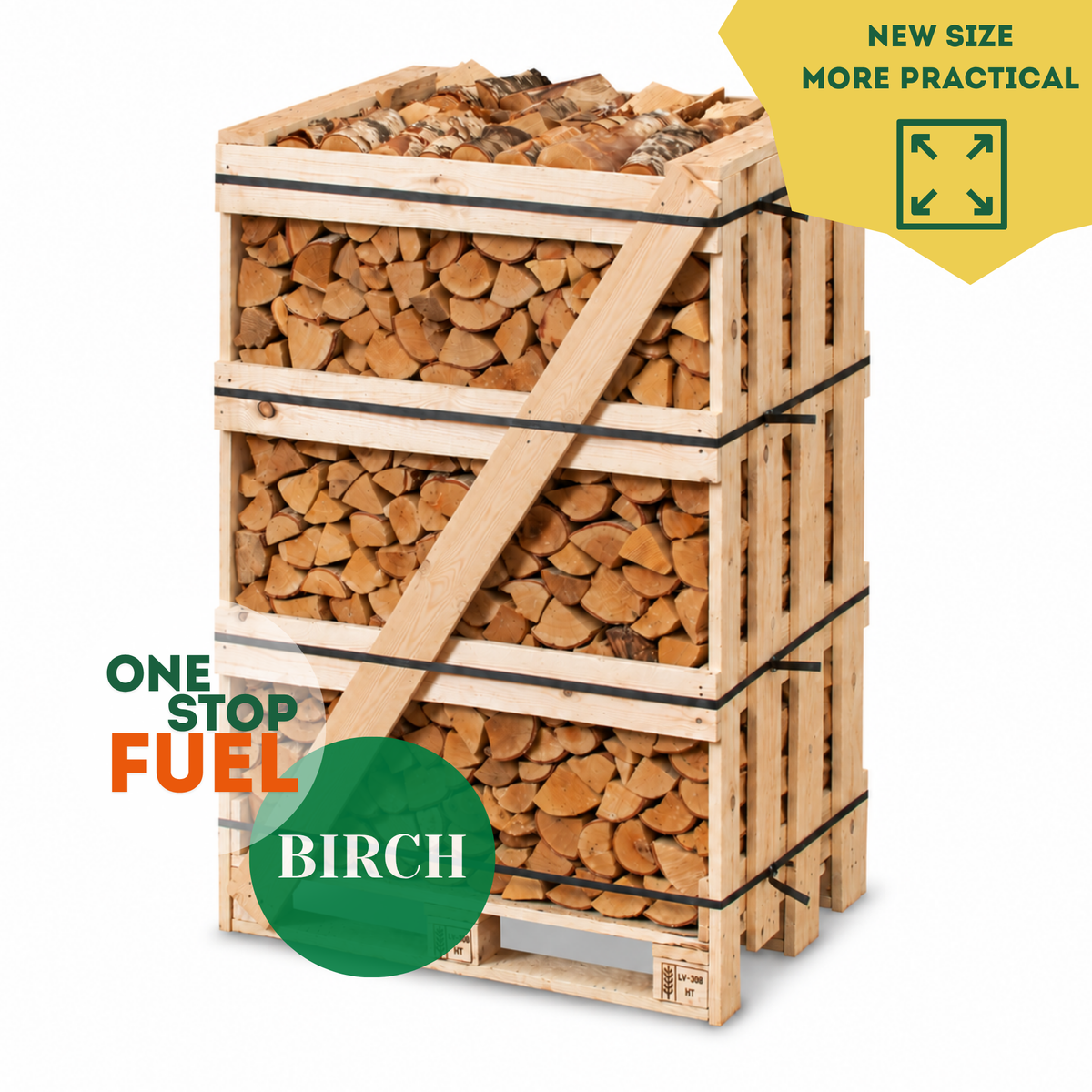
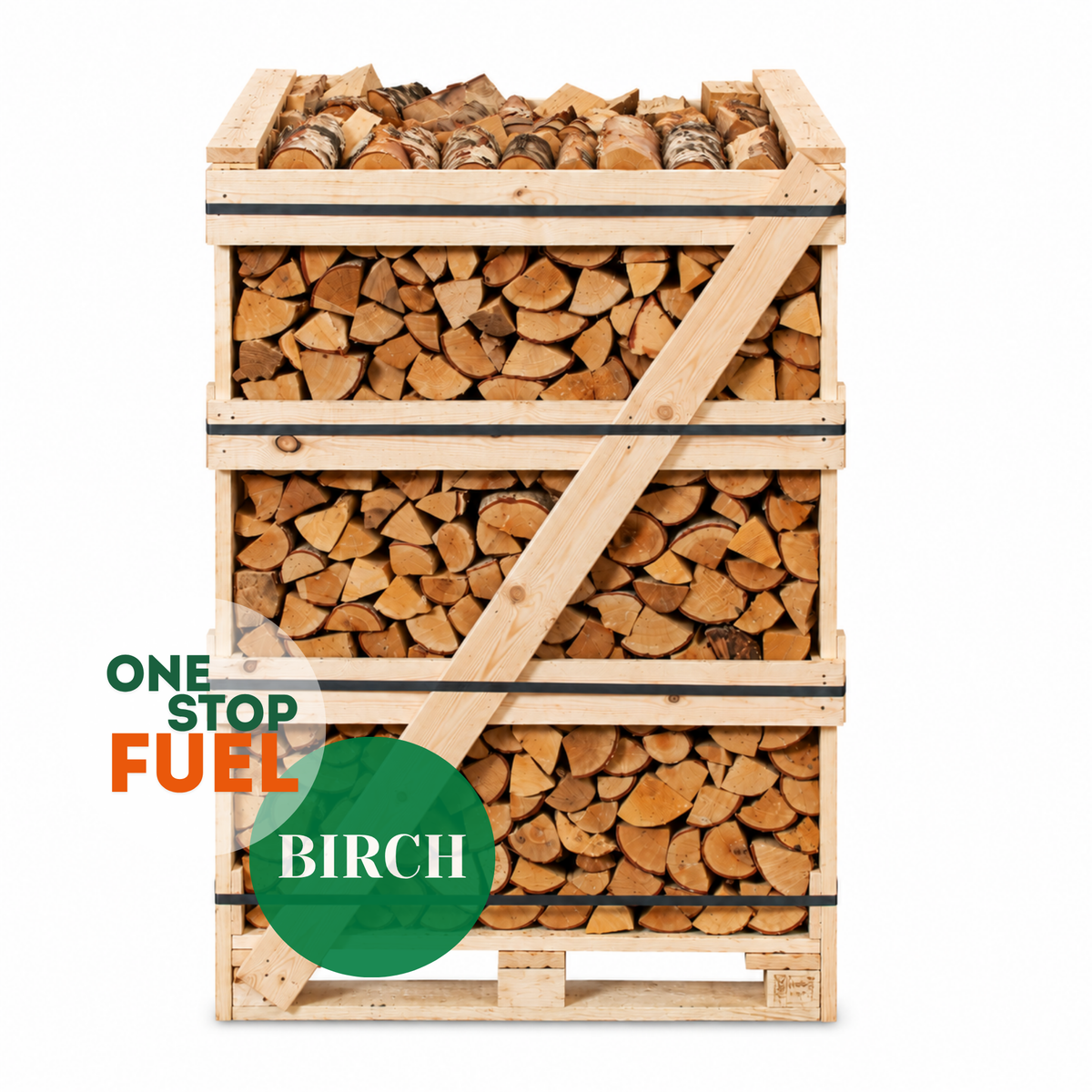
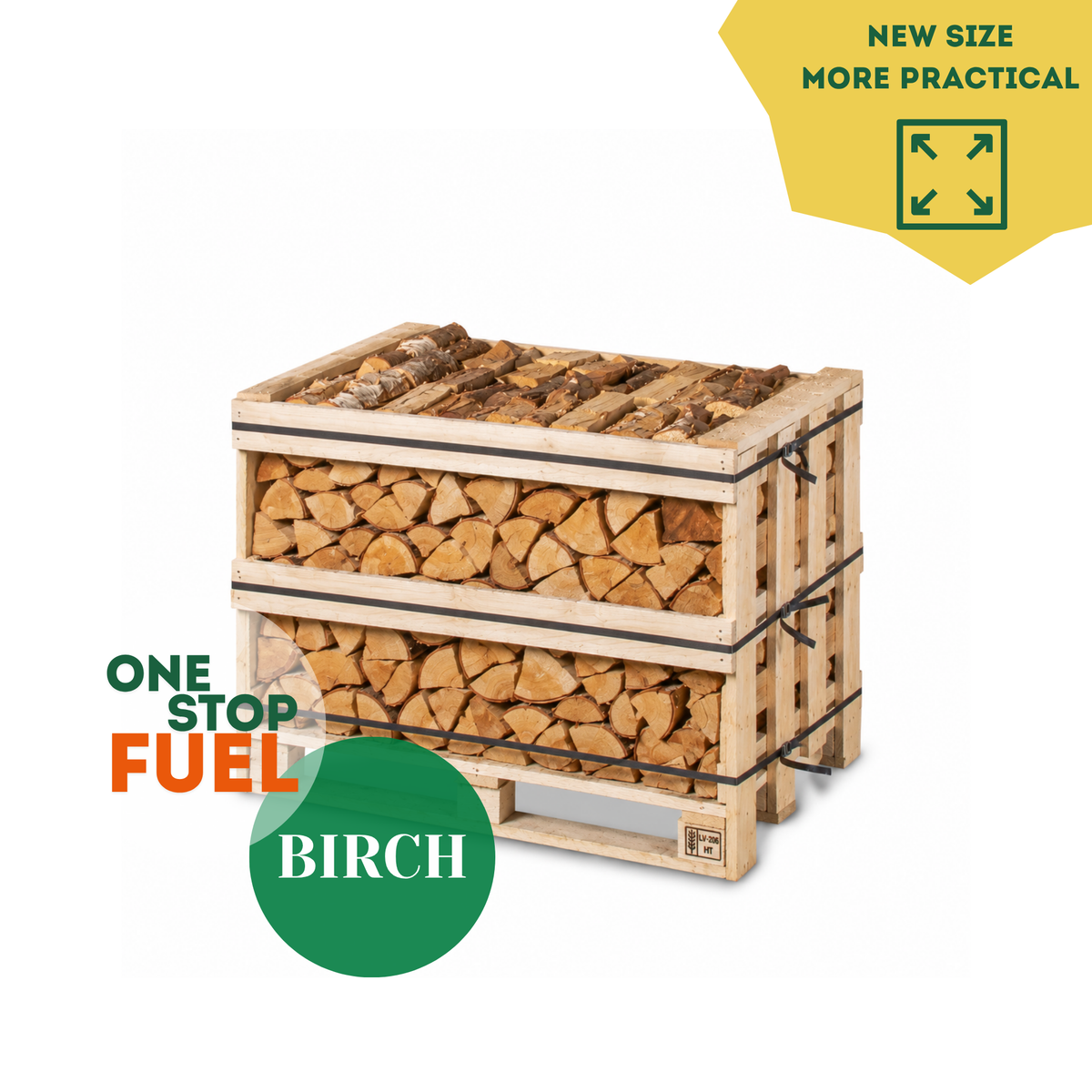
Got your number?
Add a little extra for cold snaps, then choose the firewood supply that fits your winter.
Storage Best Practices to Maintain Quality
Use pallets or timber bearers to keep logs off the ground. Leave sides open for airflow but cover the top. Moisture draws upward through capillary action if you stack wood directly on soil. A south-facing stack receives maximum sunlight and accelerates evaporation. You should store firewood at least 20 feet from your home to prevent pest migration.
Common Mistakes to Avoid
The biggest problem is purchasing firewood with 40-60% moisture. Wet logs cause difficult ignition, excessive smoke and low heat output. You restrict airflow and reduce combustion efficiency if you overload your stove. You face emergency purchases at higher prices if you underestimate seasonal requirements.
Tracking Your Consumption for Future Winters
Record how much firewood per week and per month you burn during your first heating season. Note weather conditions and usage patterns. This data refines estimates for subsequent years and helps you order precisely how much firewood per year you actually need.
Conclusion
You now have everything needed to calculate exactly how much firewood your home requires for winter. Track your daily burn hours first and multiply by your stove's consumption rate. A 10-15% buffer protects against cold snaps and unexpected shortages.
Buy your firewood early during spring or summer to secure better prices and quality. This season, track your actual consumption. That data will help you order precisely the right amount for future winters without guesswork.