
As of March 2026 geopolitical tensions in the Middle East often have far-reaching consequences for global energy markets. As conflicts escalate or uncertainty grows around key energy supply routes, oil and gas markets tend to react quickly. These changes ripple through global supply chains and eventually reach households across Europe.
For homeowners in Ireland, this dynamic is particularly relevant. Many homes rely on imported fuels such as heating oil or natural gas, which means domestic heating costs can be influenced by global events far beyond Europe’s borders.
Understanding how geopolitical tensions affect energy prices can help households better prepare for fluctuations in heating costs. It also highlights why locally produced energy sources - including firewood and biomass fuels - are often considered more stable alternatives.
How Middle Eastern Conflicts Affect Global Oil and Gas Supply
The Middle East plays a critical role in the global energy system. The region holds some of the world’s largest oil and gas reserves and is home to key transport routes such as the Strait of Hormuz, through which a significant portion of the world’s oil supply passes.
When tensions rise in the region, several factors can disrupt global energy markets:
1. Supply disruptions
Conflicts or political instability can reduce production or interrupt exports from major oil-producing countries.
2. Transport risks
Conflicts or political instability can reduce production or interrupt exports from major oil-producing countries.
3. Market speculation
Energy traders often react to geopolitical uncertainty before actual supply disruptions occur, which can cause sudden price spikes.
Because oil and gas are globally traded commodities, even regional tensions can affect energy prices throughout Europe.
Energy Prices in Europe: The Current Landscape
Europe remains highly dependent on global energy markets, particularly for fossil fuels. When global supply risks increase, prices across the European energy market typically follow.
Recent data shows:
- Natural gas prices: European natural gas prices in early 2026 have fluctuated around €30 per megawatt-hour (MWh) following earlier periods of volatility.
- Oil prices: Brent crude oil prices have recently traded around €65-€70 per barrel, reflecting ongoing market concerns about global supply disruptions.
- Heating oil costs in Ireland: According to Irish price monitoring services, the average cost of filling a 1,000-litre home heating oil tank has recently been around €1,100-€1,200, depending on supplier and region.
These fluctuations illustrate how global geopolitical events can quickly translate into real costs for households.
Domestic Heating Costs in Ireland
Ireland’s heating market remains heavily dependent on fossil fuels. According to the Sustainable Energy Authority of Ireland (SEAI), many Irish homes still rely on heating oil as their primary heating source.
Rising heating costs
Many households have experienced significant increases in heating costs over the past several years, driven largely by global energy market volatility.
Seasonal demand pressures
Demand for heating energy increases during colder months, which can further amplify price fluctuations when supply is tight.
Energy transition challenges
Ireland is gradually transitioning towards more renewable heating options, but the process takes time and requires infrastructure investment.
As a result, homeowners continue to face uncertainty around heating costs, especially when global energy markets become unstable.
Why Fossil Fuel Heating Costs Are Volatile
Oil and gas markets are highly sensitive to global events because they are traded internationally. Prices are influenced by factors such as:
- geopolitical tensions
- production decisions by major oil-producing countries
- global economic conditions
- supply chain disruptions
This means that domestic heating costs can change rapidly, sometimes within weeks.
For homeowners trying to manage household budgets, this volatility can make long-term planning difficult.
Why Biomass and Firewood Often Provide Greater Stability
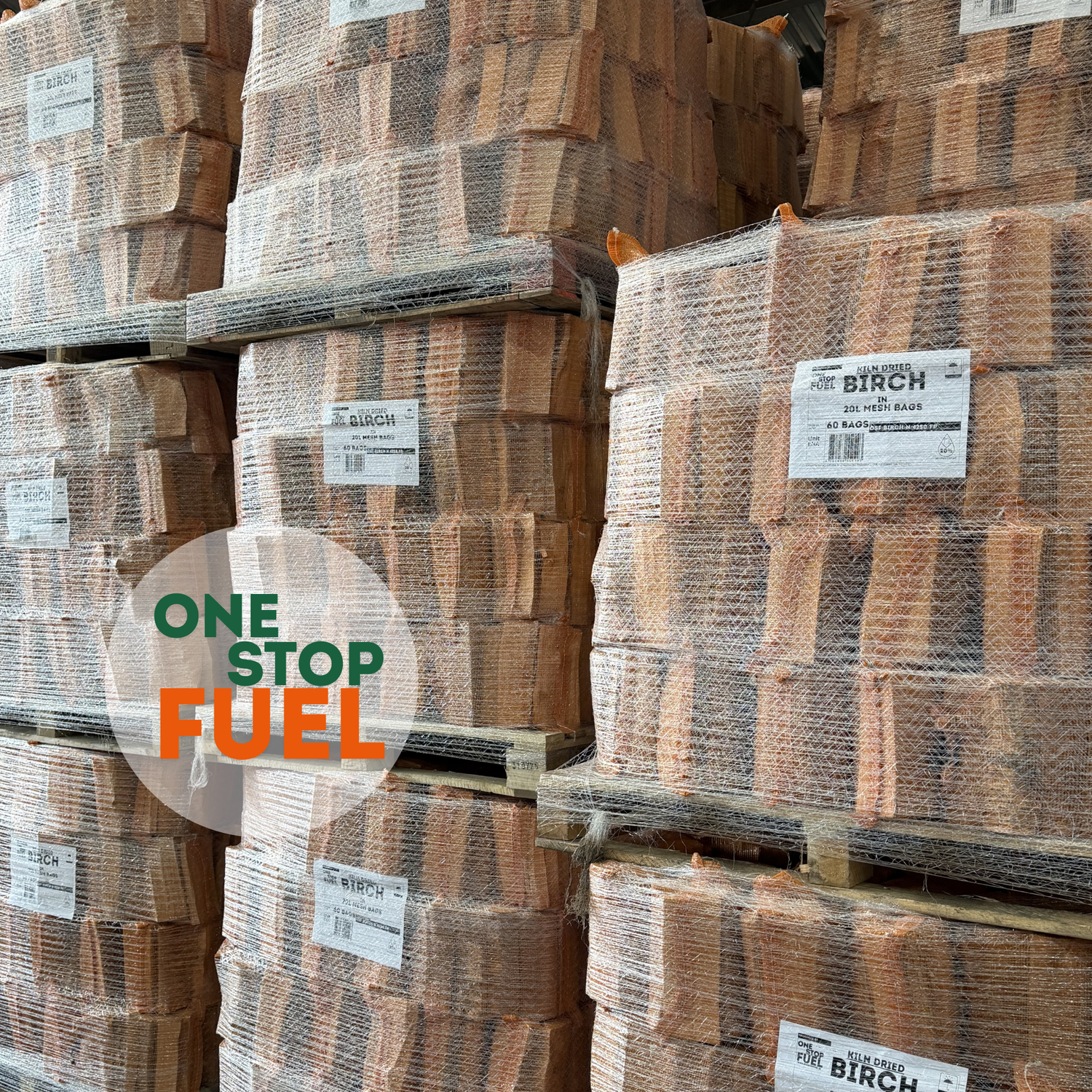
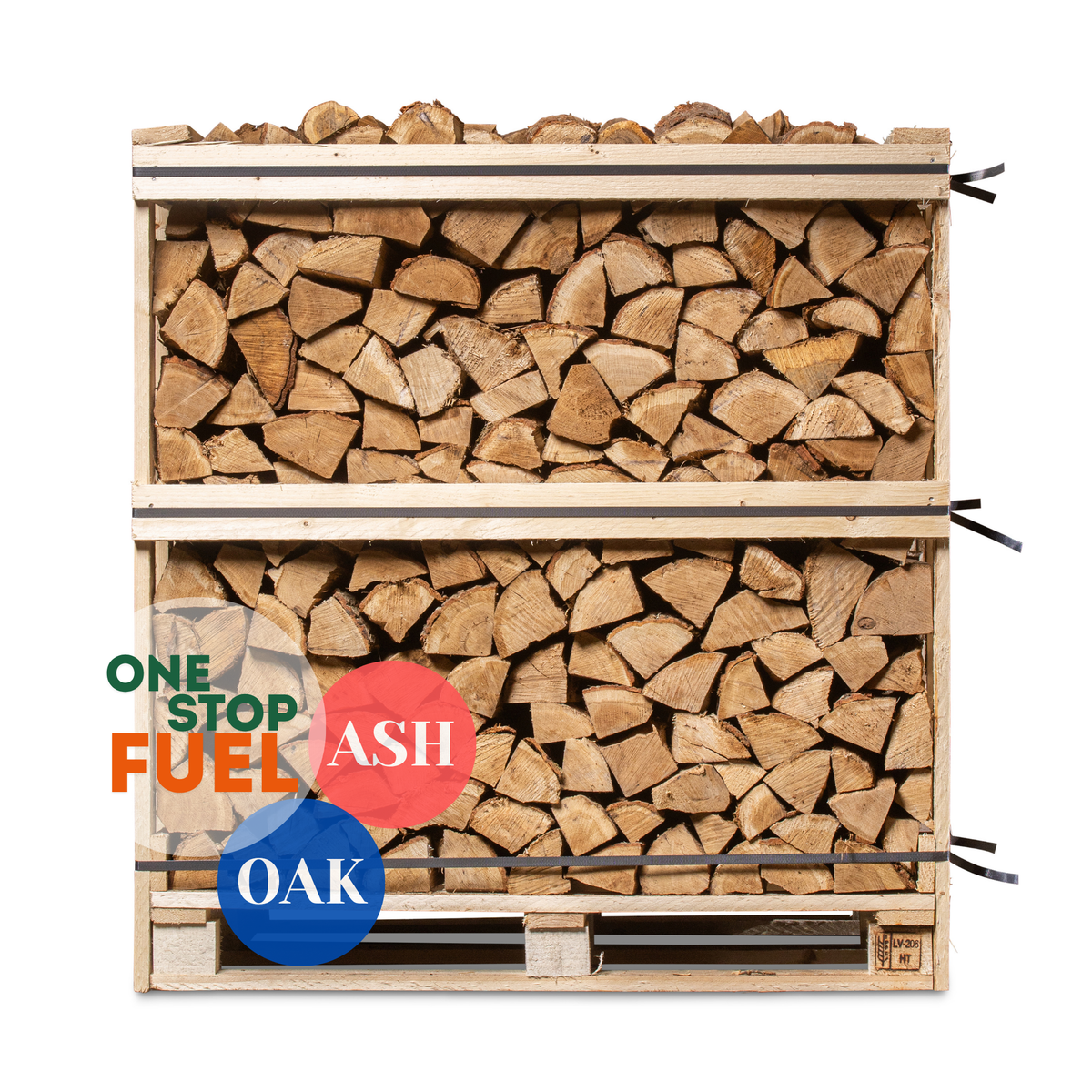
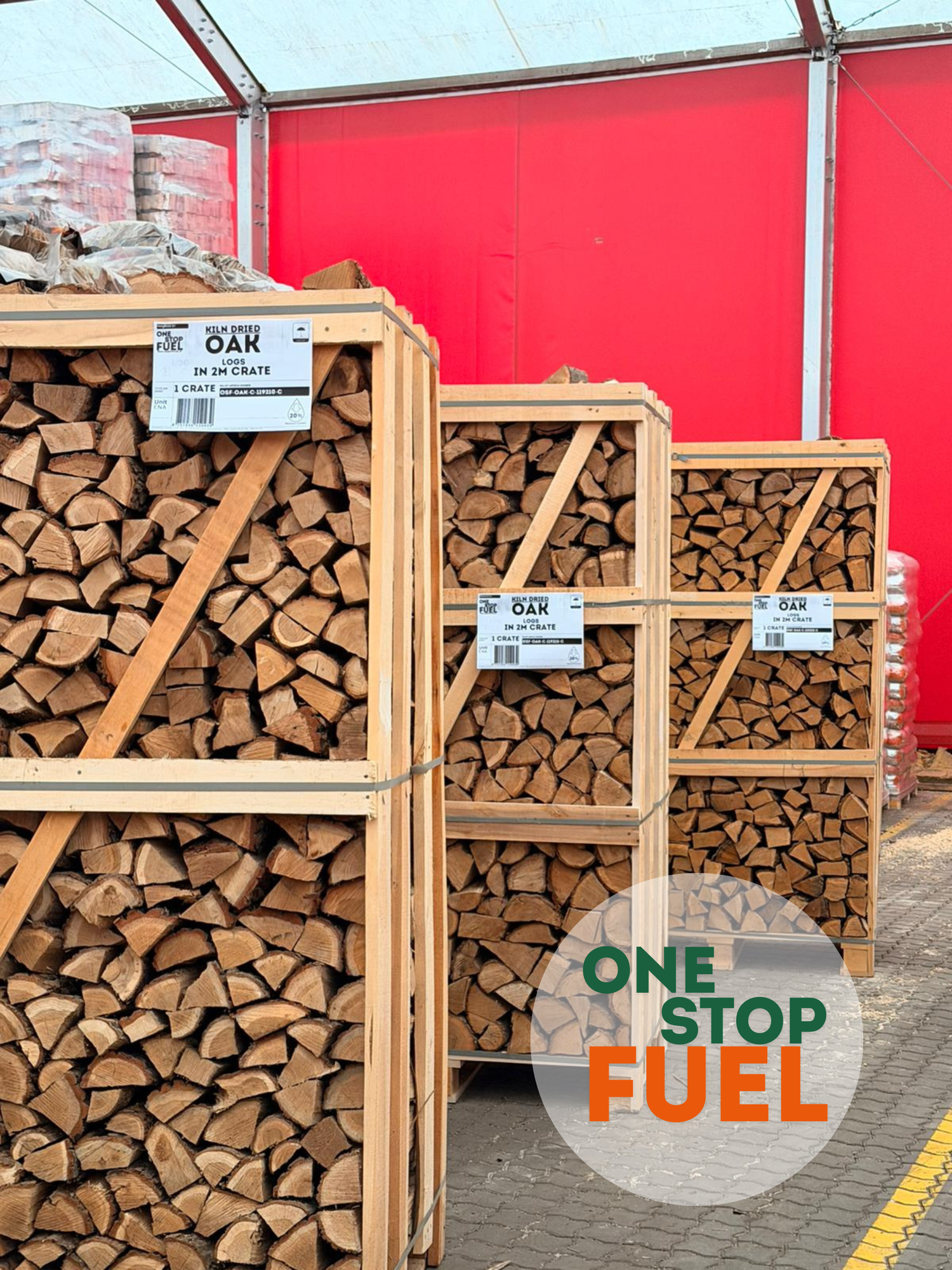
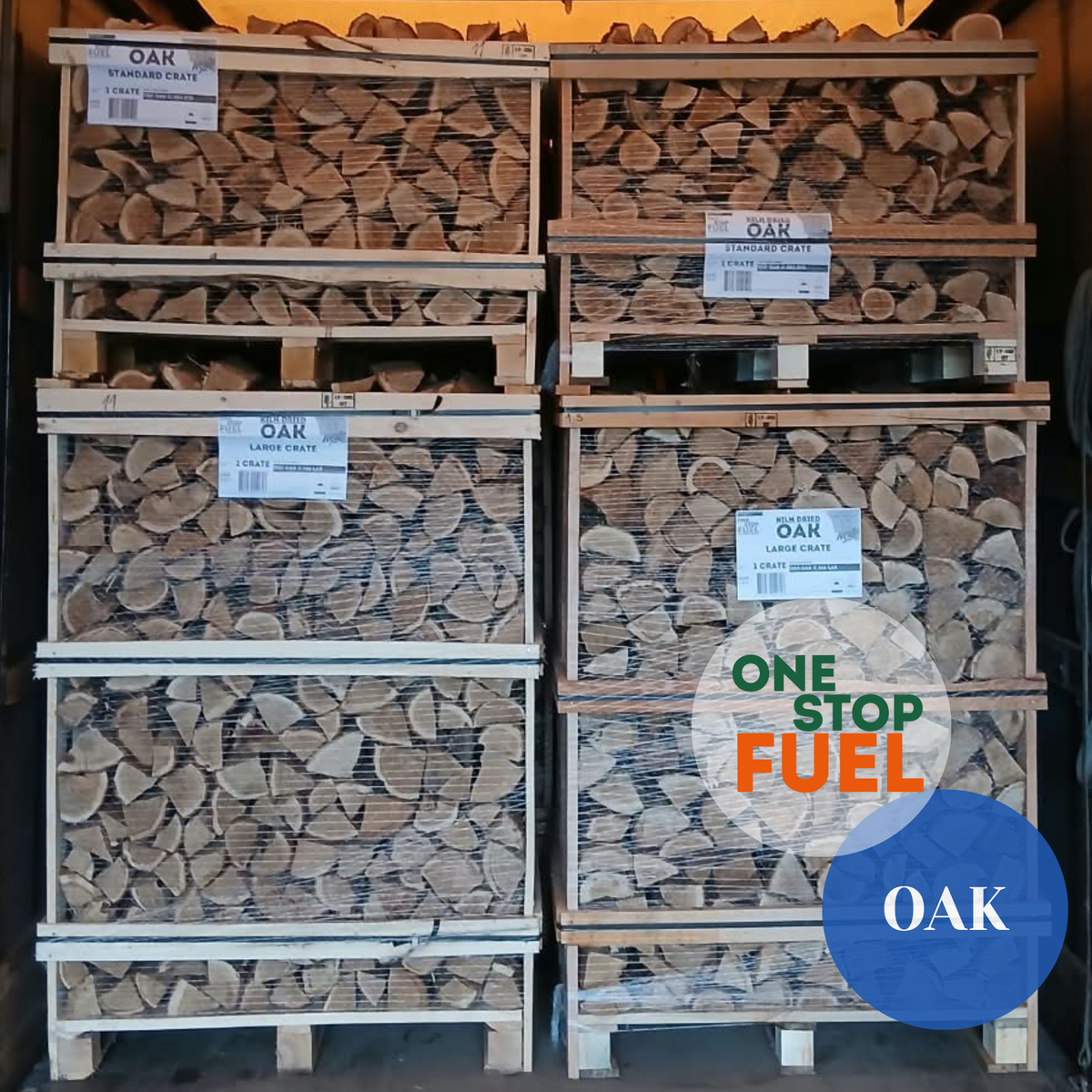
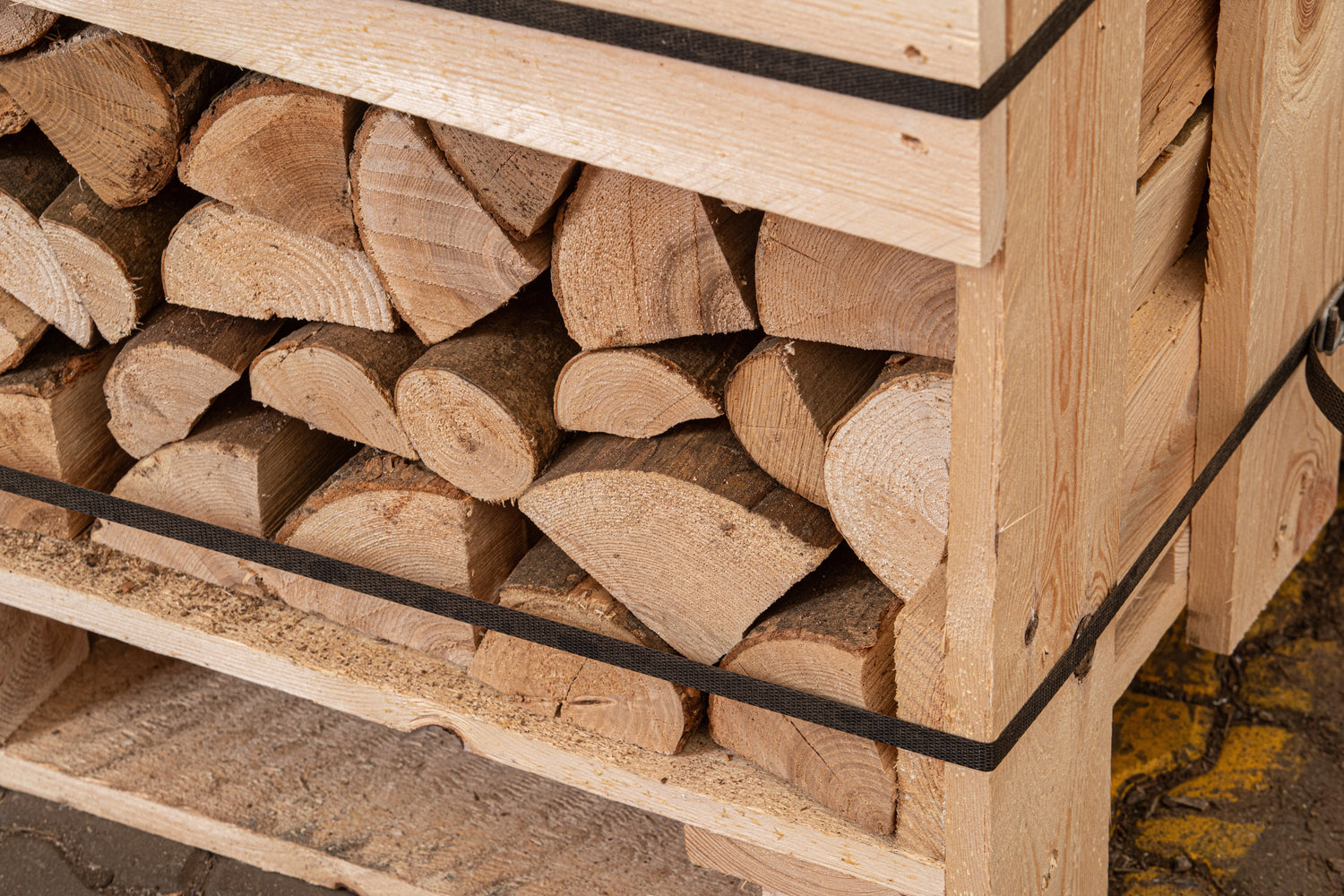
In contrast to fossil fuels, biomass fuels such as firewood and wood pellets are typically produced locally or regionally. This difference in supply structure can lead to greater price and availability stability.
Several factors contribute to this stability.
> Local supply chains. Firewood and biomass fuels are generally sourced from regional forestry operations rather than global commodity markets.
Because of this, their pricing is influenced more by:
- forestry production
- local labour and processing costs
- domestic transport
rather than international geopolitical events.
> Reduced exposure to global energy markets. Unlike oil and gas, which are traded worldwide, biomass fuel markets are more localized. This reduces the direct impact of geopolitical conflicts on pricing.
> Abundant renewable resources. Ireland and many parts of Europe have strong forestry resources, which support sustainable production of wood fuels.
> Predictable supply. Because biomass fuels are produced through established forestry and processing systems, supply tends to be more predictable compared to fossil fuels that depend on international shipping and geopolitics.
Growing Interest in Stable Heating Alternatives
In recent years, many European households have begun exploring alternative heating options that offer:
- greater price predictability
- reliable availability
- lower exposure to global energy shocks
Renewable fuels such as biomass and firewood are increasingly part of this conversation.
While no energy source is completely immune to market changes, locally sourced heating fuels generally avoid the dramatic price spikes that can occur in global fossil fuel markets.
Geopolitical tensions in the Middle East continue to influence global energy markets, affecting oil and gas prices across Europe. For households in Ireland, these developments can translate into higher heating costs and increased uncertainty.
As fossil fuel markets remain sensitive to global events, many homeowners are paying closer attention to heating options that offer greater stability.
Locally produced fuels such as firewood and biomass are often less exposed to geopolitical disruptions because their supply chains are regional rather than global. As a result, they can provide a more predictable heating option during periods of energy market volatility.
Understanding these dynamics allows households to make more informed decisions about how they heat their homes in an increasingly uncertain energy landscape.